
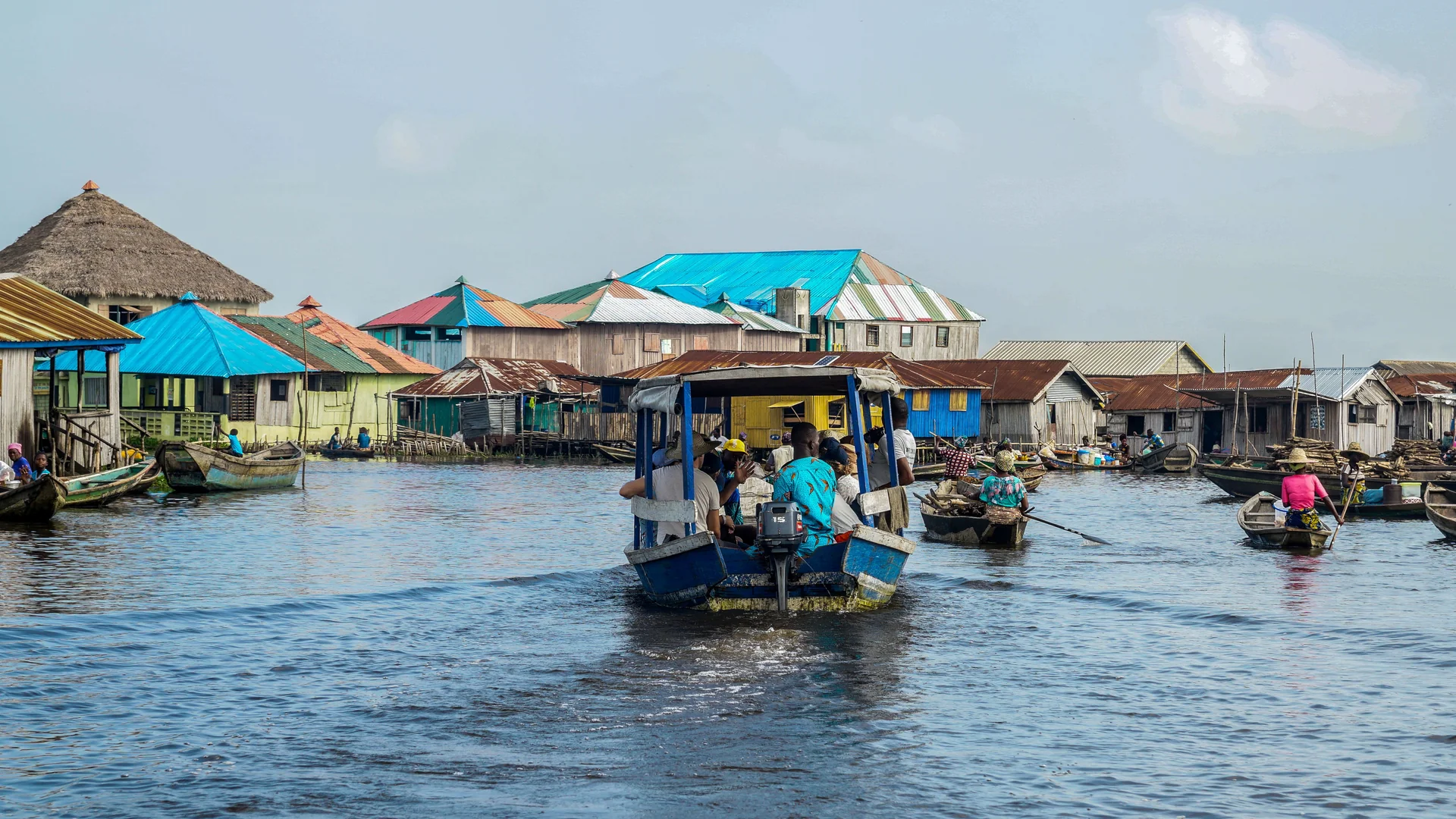
Complete guide to cancellation policies, weather conditions and safety measures for Ganvié visits. Book your stilt village tour with confidence on Lake Nokoué.
Booking a trip to Ganvié, the stilt village on Lake Nokoué, comes with natural questions. What happens if it rains? Can I cancel if my plans change? Is it safe to navigate the lake? These are reasonable concerns, and we take each of them seriously.
This article covers everything you need to know about cancellation and safety at Ganvié: our refund policy in detail, the actual weather conditions on the lake season by season, and the safety protocols that protect every visitor from embarkation to return. Our goal is simple: you book with confidence, knowing exactly what you can expect.
Flexible cancellation policy
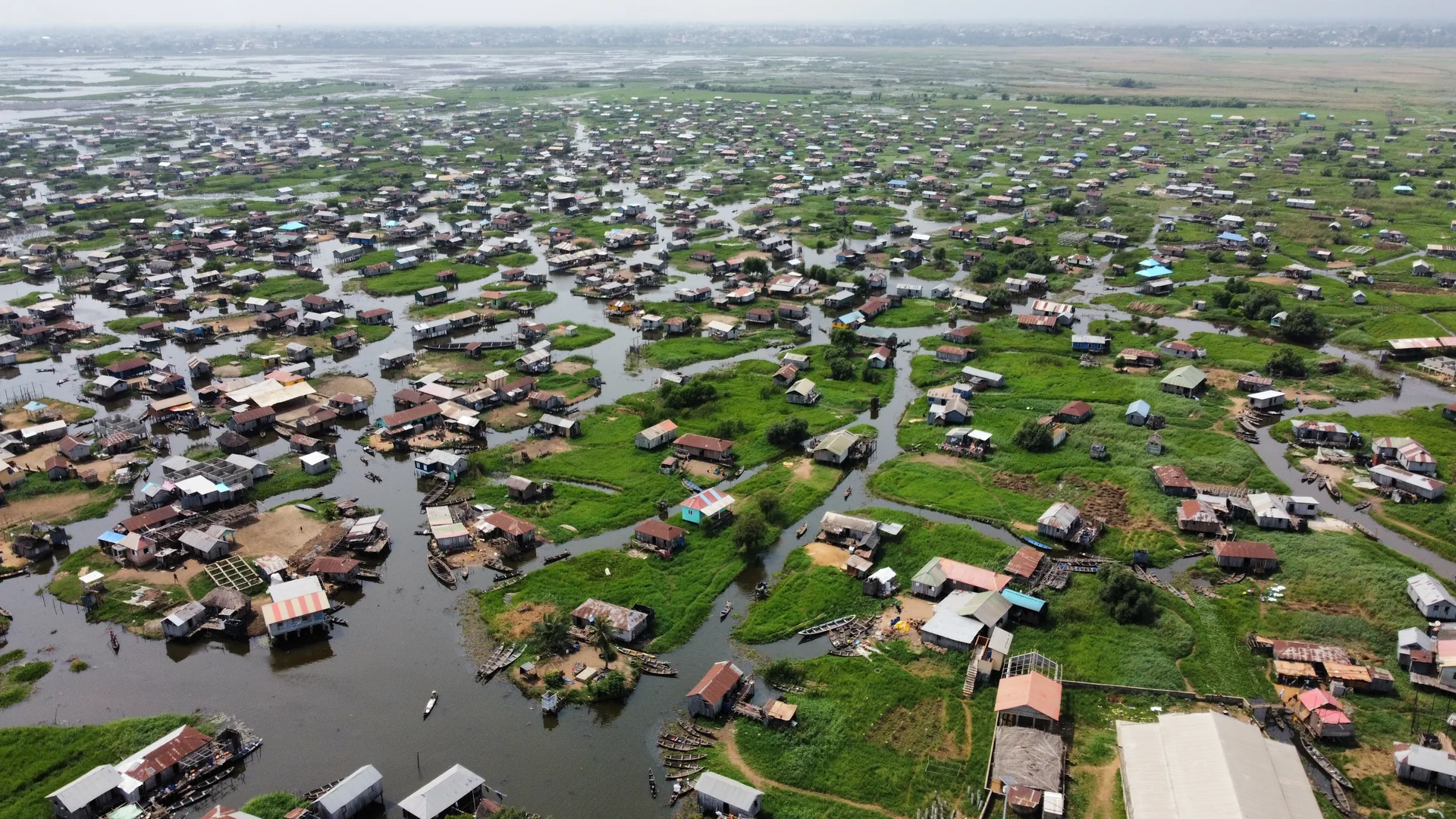 Travel plans change. Flights get delayed, itineraries shift, emergencies arise. We built our cancellation policy around that reality rather than against it.
Cancellation up to 48 hours before your tour: full refund, no questions asked. You receive the complete amount within 5 to 7 business days via the same payment method used at booking.
Cancellation between 48 and 24 hours before your tour: 50% refund. This window allows us to adjust our guide and boatman schedules and offer the slot to other travelers on short notice.
Cancellation less than 24 hours before your tour: no refund is possible. At this point, your guide, boatman and meal preparations have been confirmed and the costs cannot be recovered.
Cancellation initiated by us: if we cancel for any reason — extreme weather, unforeseen operational disruption, exceptional lake closure by local authorities — you receive a full refund or the option to reschedule at a date of your choosing with no additional cost.
Rescheduling instead of cancelling: if you prefer to postpone rather than cancel, we offer that flexibility under the same conditions. A rescheduling request made more than 48 hours in advance carries no charge. Between 24 and 48 hours, a small administrative fee of 5,000 FCFA applies.
We recommend all travelers purchase travel insurance that covers last-minute cancellations due to medical emergencies or major disruptions. For itineraries involving international flights, comprehensive cancellation coverage is particularly useful.
Understanding the weather on Lake Nokoué
Lake Nokoué is not a predictable, sheltered body of water. It covers 150 km² and connects to the Atlantic Ocean through a lagoonal channel at Cotonou. Its weather follows Benin's seasons, with meaningful differences month by month.
November to March: the main dry season
This is the ideal window for visiting Ganvié. The harmattan — a warm, dry wind from the Sahara — sweeps the sky clear and brings excellent visibility. Rainfall is rare. Daytime temperatures range from 28 to 34°C, with cooler nights around 22°C. Morning light on the lake between November and January is extraordinary for photography.
Two things worth knowing for this season: December mornings can be hazy between 5 and 8 AM due to dry harmattan mist, which is atmospheric but slightly reduces photographic range at close distances. And January-February afternoons can be quite windy without any rain, producing chop on the lake that makes the pirogue crossing more active than usual.
April to June: the minor rainy season
The shift is quick. Late March brings afternoon thunderstorms. April and May see frequent showers, often intense but brief (20 to 40 minutes). Mornings are generally clear until 11 AM. If you are visiting between April and June, plan your departure for 7 AM at the latest — you will almost always have good conditions for the morning portion of the visit.
The upside: the lake during the rainy season is visually spectacular. Colors are more saturated, the vegetation along the banks is greener, and the light after a morning shower creates reflections on the water that are rarely achieved during dry season.
July to September: the main rainy season
This is the most unpredictable period. Storms can arrive at any time of day. Winds are stronger and less foreseeable. Pirogues remain operational, but conditions can change within 30 minutes.
We maintain our tours during this period with departure times adjusted according to morning weather forecasts. We occasionally delay a departure by one to two hours to let a rain system pass, or shorten an itinerary out of caution. These adjustments are communicated via SMS or WhatsApp the evening before and again on the morning of your visit.
October: the transition
October marks the end of the main rainy season. The frequency of storms decreases progressively, but the lake remains choppy. Conditions improve noticeably from mid-October onward.
What happens at the pier when conditions deteriorate
Here is the practical protocol we apply when weather is uncertain — useful to know before you arrive at the Abomey-Calavi pier.
Evening before your visit: our team checks weather forecasts from Benin Met Office and wind data on the lake. If a significant weather event is forecast, you receive a message 12 to 24 hours in advance with the status of your booking.
Morning of your visit: the guide is at the pier from opening time. He assesses conditions directly: wind speed and direction, lake surface state, horizon clouds, and the behavior of local commercial pirogues. This last indicator is reliable — families who live from the lake have a weather instinct that no application can replicate.
On-site decision: if conditions are safe, departure proceeds as planned. If light rain is present or the sky is overcast without dangerous wind, the tour departs with protective equipment including covers and rain ponchos. If wind exceeds 35 to 40 km/h or an active storm is visible within 20 km, the departure is postponed or cancelled.
Communication: any change is communicated immediately by WhatsApp or phone call. You will never be left without information at the pier.
Safety measures on the water
Safety on Lake Nokoué is built on several simultaneous layers.
Life jackets: every passenger receives an approved life jacket before boarding. Children's models are sized across three weight ranges (under 15 kg, 15-30 kg, 30 kg and above). Wearing the jacket is mandatory for everyone, including strong swimmers. This is not a suggestion.
Pirogue condition and equipment: our boats are inspected weekly. They are wide, flat-bottomed vessels designed specifically for lake navigation, stable with up to six passengers on board. Each pirogue carries additional flotation devices and a safety kit including distress flares, a whistle, a 20-metre rope, and a signalling mirror.
Experienced guide and boatman: each group travels with a boatman who has navigated this lake since childhood and a certified guide alongside them. Together they know which areas to avoid by season, where to take shelter if a storm develops without warning, and emergency protocols if a passenger falls overboard.
Walkways and on-foot sections: the wooden walkways connecting stilt houses are solid but become slippery after rain. We recommend closed shoes with non-slip soles. Our guides adjust the on-foot itinerary according to daily conditions, avoiding sections that are too narrow or unstable after heavy rain.
First aid: all guides are trained in basic first aid procedures including recovery position, emergency calling, and basic wound management. A fully equipped medical kit is carried in every pirogue: antiseptics, bandages, anti-nausea medication, antihistamines, and emergency contacts for nearby medical facilities. For serious incidents requiring evacuation, the crossing to Abomey-Calavi or Cotonou takes between 20 and 35 minutes.
Advice for visitors with specific needs
Some travelers benefit from specific preparation before the visit.
Families with young children: children under 5 are welcome, but we recommend booking a private pirogue rather than joining a shared group, to allow flexibility in pace and duration. Notify us at booking of children's ages and weights so that correctly sized life jackets are ready at the pier. Children between 6 and 12 typically enjoy the full experience without any special adaptation.
Elderly visitors or those with limited mobility: the visit requires stepping into and out of a pirogue, which demands reasonable knee flexibility. Once seated in the pirogue, the posture is comfortable for most people. On-foot sections along the walkways can be adapted or shortened. Contact us before booking to discuss your specific needs.
Travelers prone to motion sickness: the lake can be choppy in strong wind. If you experience sea or motion sickness, take medication one hour before embarkation and choose a morning departure when the lake is calmest, before 10 AM.
Travelers with severe allergies: our guides carry antihistamines, but not injectable epinephrine. If you carry an EpiPen, bring it on the water with you in a waterproof pouch.
Insurance and visitor protection
Every excursion organized by Visit Ganvié is covered by professional liability insurance. You are protected in the event of an incident related to the organization of the tour.
We maintain a detailed register of every excursion: participant names, emergency contacts, time slot, and planned itinerary. If needed, we can locate any group within minutes and quickly contact next of kin.
Packing for uncertain weather
If your visit falls during a less predictable period, the right preparation makes a significant difference.
Clothing: a lightweight, packable rain jacket is more practical than a large poncho that catches the wind. Avoid denim, which dries slowly in humid conditions. Light cotton or technical outdoor fabric works well for the lake environment.
Protecting valuables: keep your camera, phone, and passport in waterproof bags or sealed zip pouches. Our pirogues have covers, but protection is not complete during heavy rain.
Footwear: closed shoes with non-slip soles, or flat sandals that grip wet wood. Avoid flip-flops, which become hazardous on wet walkways between stilt houses.
Water and medication: bring your own water (bottles are available at the pier if you forget). Keep any daily medication in a waterproof container on your person, not in a bag that stays in the pirogue.
Questions fréquentes
What happens if it rains on the day of my Ganvié visit?
Can I cancel my Ganvié visit for free?
Is the pirogue crossing on Lake Nokoué safe?
What is the best season to avoid weather disruptions at Ganvié?
Can I visit Ganvié with a young child?
Book your visit
Guided tour with native Tofinu guide, private pirogue, fixed prices.
The Secret Guide to Ganvié: Hidden Gems & Etiquette
Discover the authentic Ganvié far from the tourist crowds. Download our exclusive PDF to prepare a respectful and unforgettable visit.
We respect your inbox. No spam.
The Visit Ganvié Team
Written by native Tofinu guides. We have navigated Lake Nokoué since childhood to share the true history of our city, far from tourist traps.
Related articles
Tipping in Ganvié & Benin: How Much Should You Tip Tour Guides and Boat Captains?
Should you tip during your tour of Ganvié? Discover local customs, recommended FCFA tip amounts for guides and boat drivers, and how to express gratitude respectfully.
supportSafety & Health in Ganvié: Mosquitoes, Life Vests & Family Travel Guide
Visiting a water stilt village raises natural questions about boat safety, mosquitoes, and health. Discover expert safety tips for traveling to Ganvié with complete peace of mind.