
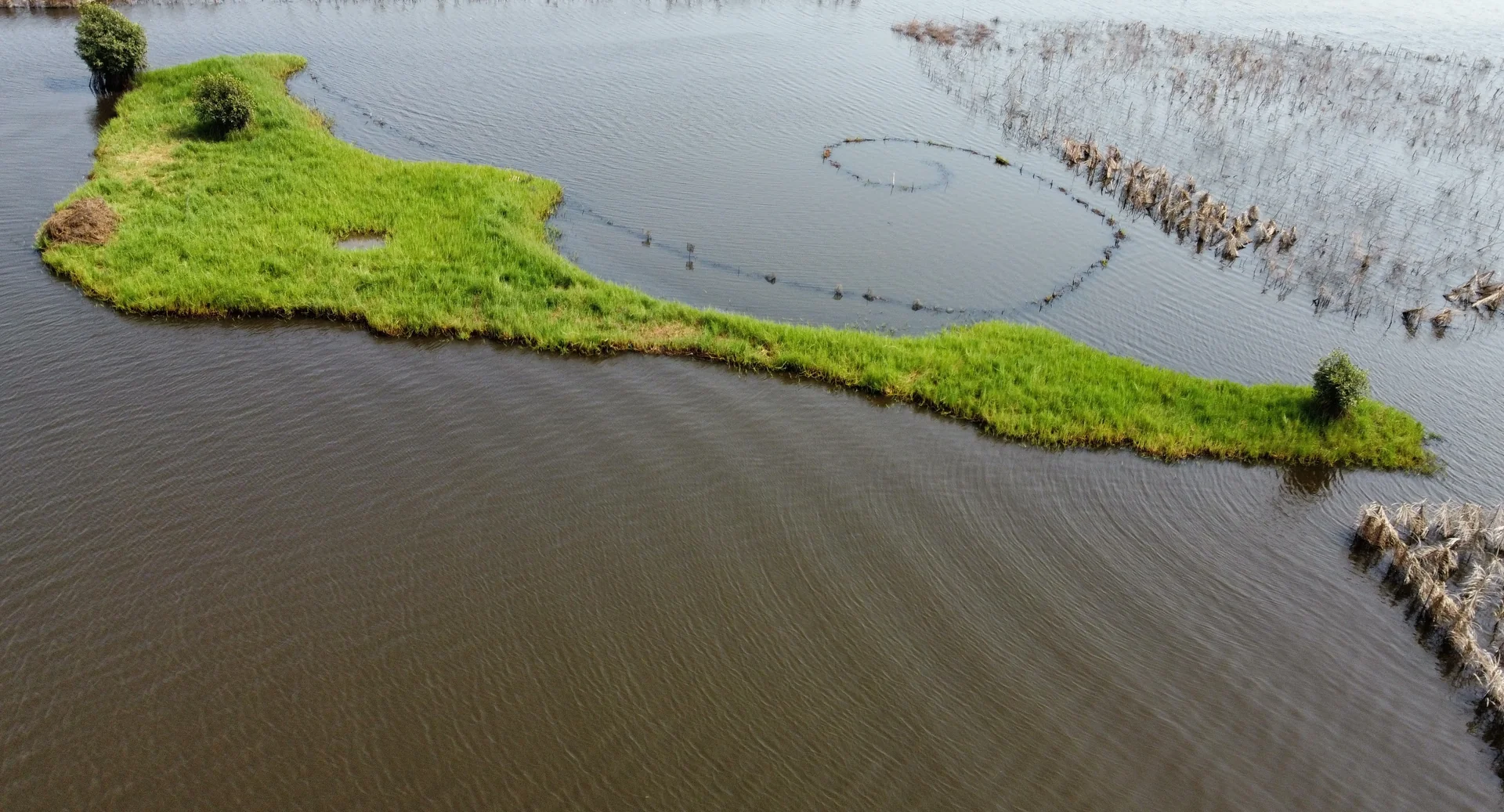
Visiting a water stilt village raises natural questions about boat safety, mosquitoes, and health. Discover expert safety tips for traveling to Ganvié with complete peace of mind.
Boarding a motorized dugout canoe to cross Lake Nokoué and journey into West Africa's largest stilt village is a thrilling travel highlight. However, for families traveling with young children, seniors, or first-time visitors to Benin, several health and safety questions naturally come to mind: Are there many mosquitoes on the water? How stable are the boats? Are children's life jackets provided? What about malaria risks?
To dispel any concerns and ensure you enjoy a relaxing day in Ganvié, our certified native guides share this comprehensive health and safety guide to Lake Nokoué.
- Life Vests: Mandatory for all passengers (specialized child sizes available for ages 2+).
- Daytime Mosquitoes: Near zero risk on open waters of Lake Nokoué due to continuous sea breezes.
- Primary Risk to Watch: Sun reflection and dehydration! Bring at least 1.5L of water per person and SPF 50+ sunscreen.
- Malaria: Follow standard prophylactic medical advice recommended for all travel to Benin.
1. Water Safety & Boat Stability
Lake Nokoué features generally calm, shallow waters (average depth ranges between 1.5 to 3 meters depending on the season). Nevertheless, water safety requires uncompromised standards.
VisitGanvie.com Safety Guarantees:
- Mandatory Approved Life Jackets: Upon arrival at Abomey-Calavi Pier, every passenger receives a fitted certified life jacket before stepping aboard.
- Child-Specific Vests: Sized life vests for kids (ages 2+) featuring crotch straps and neck flotation collars are provided. Simply mention children's ages when booking.
- Stable Flat-Bottom Canoes: Our traditional motorized wooden boats built from Iroko timber are engineered with wide hulls. They provide exceptional stability and do not tilt when passengers shift to take photos.
- Experienced Native Captains: Our boat drivers are lake natives with over 15 years of navigation experience across all weather conditions.
2. Mosquitoes & Malaria: Debunking Common Myths
A frequent concern among international travelers involves mosquito exposure on an open body of water like Lake Nokoué. However, geographical factors reveal a reassuring picture:
Why There Are FEW Daytime Mosquitoes on the Lake:
- Lacustrine Breezes: Lake Nokoué experiences constant open breezes originating from the Gulf of Guinea. Mosquitoes (Anopheles species) are lightweight insects that cannot fly against open-water winds during daytime.
- Brackish Moving Water: Unlike stagnant freshwater swamps, Lake Nokoué's waters are brackish and continuously tidal, which discourages daytime mosquito breeding.
Protection Guidelines by Time of Day:
- Daytime Excursions (Standard tours 08:00 to 16:00): Virtually no mosquito activity on the open lake. Applying standard insect repellent (DEET 30% or Picaridin) to arms and ankles is more than adequate.
- Evening & Overnight Stays (Ganvié By Night): Around sunset (18:00), as winds die down, mosquitoes emerge along shorelines. Wear lightweight long pants and long sleeves, and sleep under provided mosquito bed nets.
- Malaria Prophylaxis: Because Benin is in a malaria-endemic region (Zone 3), consult your personal physician or travel clinic prior to trip departure for recommended preventive medication (Malarone, Doxycycline, or Lariam).
3. The Real Factor: Sun Exposure, Glare & Hydration
On Lake Nokoué, the primary health factor to prepare for is not water or mosquitoes — it is sun glare and heat exhaustion.
Because the open water acts as a giant mirror, UV radiation reflecting off the lake surface doubles in intensity. Moreover, gentle lake breezes create a deceptive cooling effect that masks rising body temperature.
Essential Sun & Heat Protection Kit
- Wide-brimmed hat or secured cap with a chin strap (to prevent winds from blowing it into the water).
- Category 3 or 4 UV-blocking sunglasses (100% UV protection).
- SPF 50+ broad-spectrum sunscreen (reapply every 2 hours).
- Bottled drinking water: Bring at least 1.5 liters of water per person for a half-day excursion.
4. Specific Advice for Families & Senior Travelers
Exploring Ganvié as a family offers an unforgettable educational journey for children. Here are practical tips for maximum comfort:
- Ideal Tour Duration for Young Kids (Ages 2–8): Choose Option 01 — Essential Discovery (2 Hours). It provides the perfect timeframe to see stilt architecture and floating markets without overtiring young children.
- Snacks: Pack dry biscuits or fruit pouches for children during the boat ride.
- Travelers with Limited Mobility: Stepping from Abomey-Calavi Pier into the boat requires stepping over a 40 cm (15-inch) gunwale. Our crew is trained to assist senior travelers smoothly and safely.
5. Recommended Day Pack First Aid Checklist
Keep a small waterproof pouch containing:
- Tropical-strength insect repellent spray.
- Hand sanitizer gel for cleaning hands before sampling fresh market fruit.
- Soothing lotion for minor sun exposure.
- Tissues or refreshing wet wipes.
- Personal prescription medications and basic pain relief (Paracetamol).
By following these practical recommendations, your excursion to Ganvié will be completely safe, comfortable, and memorable!
The Secret Guide to Ganvié: Hidden Gems & Etiquette
Discover the authentic Ganvié far from the tourist crowds. Download our exclusive PDF to prepare a respectful and unforgettable visit.
We respect your inbox. No spam.
The Visit Ganvié Team
Written by native Tofinu guides. We have navigated Lake Nokoué since childhood to share the true history of our city, far from tourist traps.
Related articles
Tipping in Ganvié & Benin: How Much Should You Tip Tour Guides and Boat Captains?
Should you tip during your tour of Ganvié? Discover local customs, recommended FCFA tip amounts for guides and boat drivers, and how to express gratitude respectfully.
edgeGanvié vs other Benin excursions: how to choose
Ganvié vs other Benin excursions: how to choose? Compare the stilt village with Pendjari, Abomey, Ouidah and Cotonou based on your interests, time and budget.