
History of Ganvié
Welcome to the history of Ganvié. This section gathers all our articles on the founding of the stilt city, the Tofinu people, their exile on Lake Nokoué, and their unique social organization.
Whether you want to understand why Ganvié is called the "Venice of Africa," who the Tofinu are, or how the Dahomey kingdom raids shaped this lake civilization, you will find well-documented answers here.
Start with the founding article: Ganvié history: origins of the Tofinu floating village — the pillar exploring the founding legend of King Agbodogbé and the city's organization in depth.
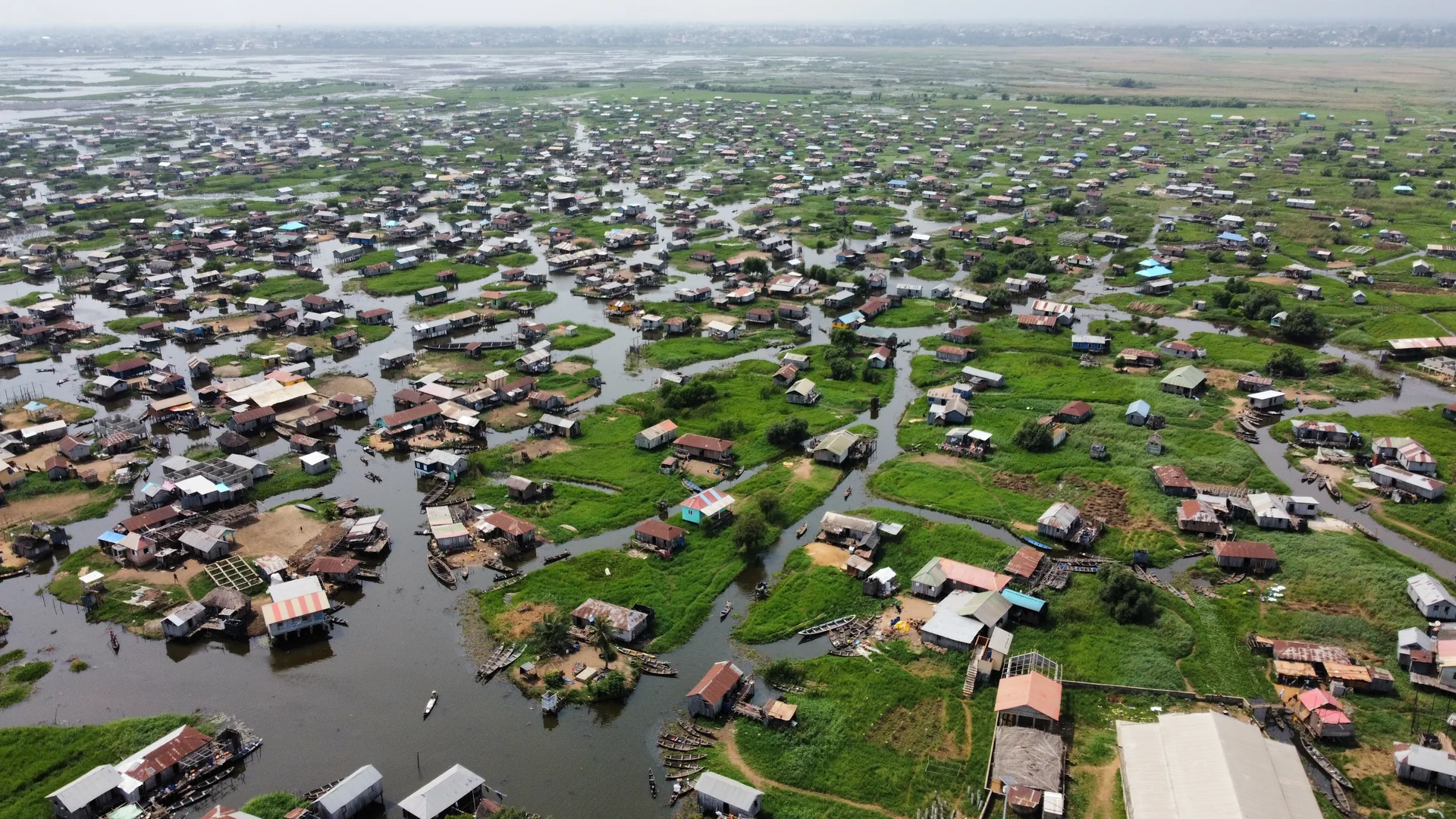
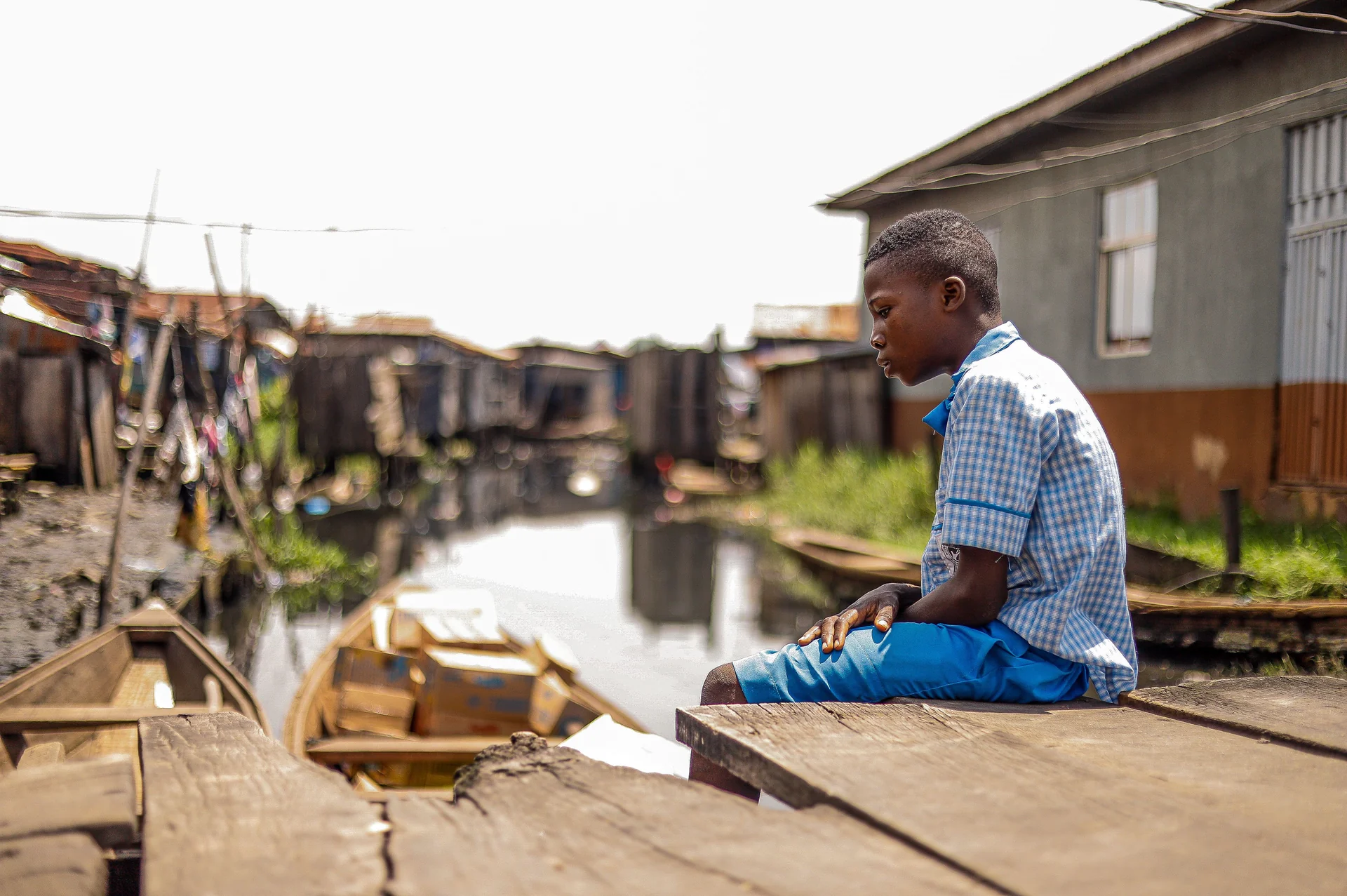
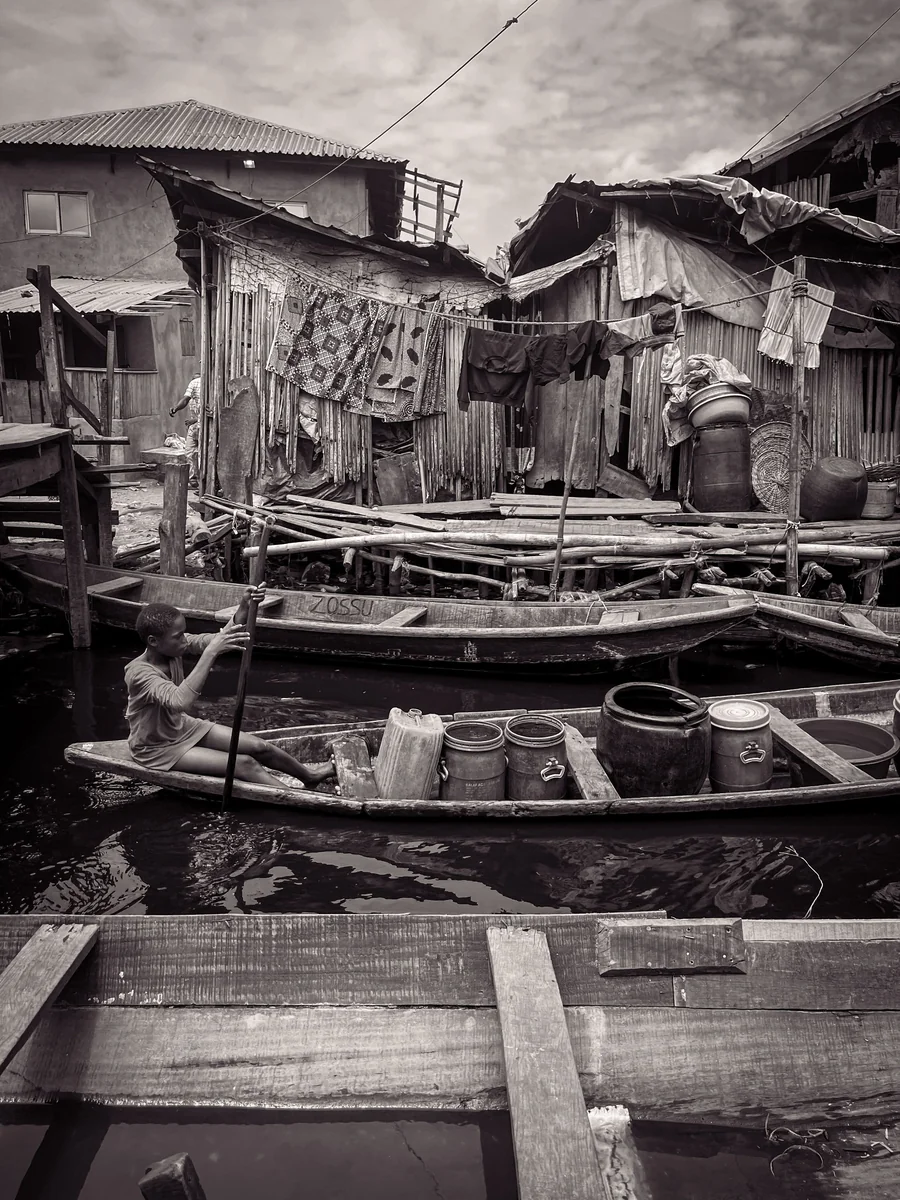
Tofinu glossary: essential lexicon of lake life
Complete lexicon of Tofinu, Goun and Fon words to understand lake life at Ganvie. Housing, fishing, navigation, spirituality, cuisine: essential vocabulary before your visit.
Read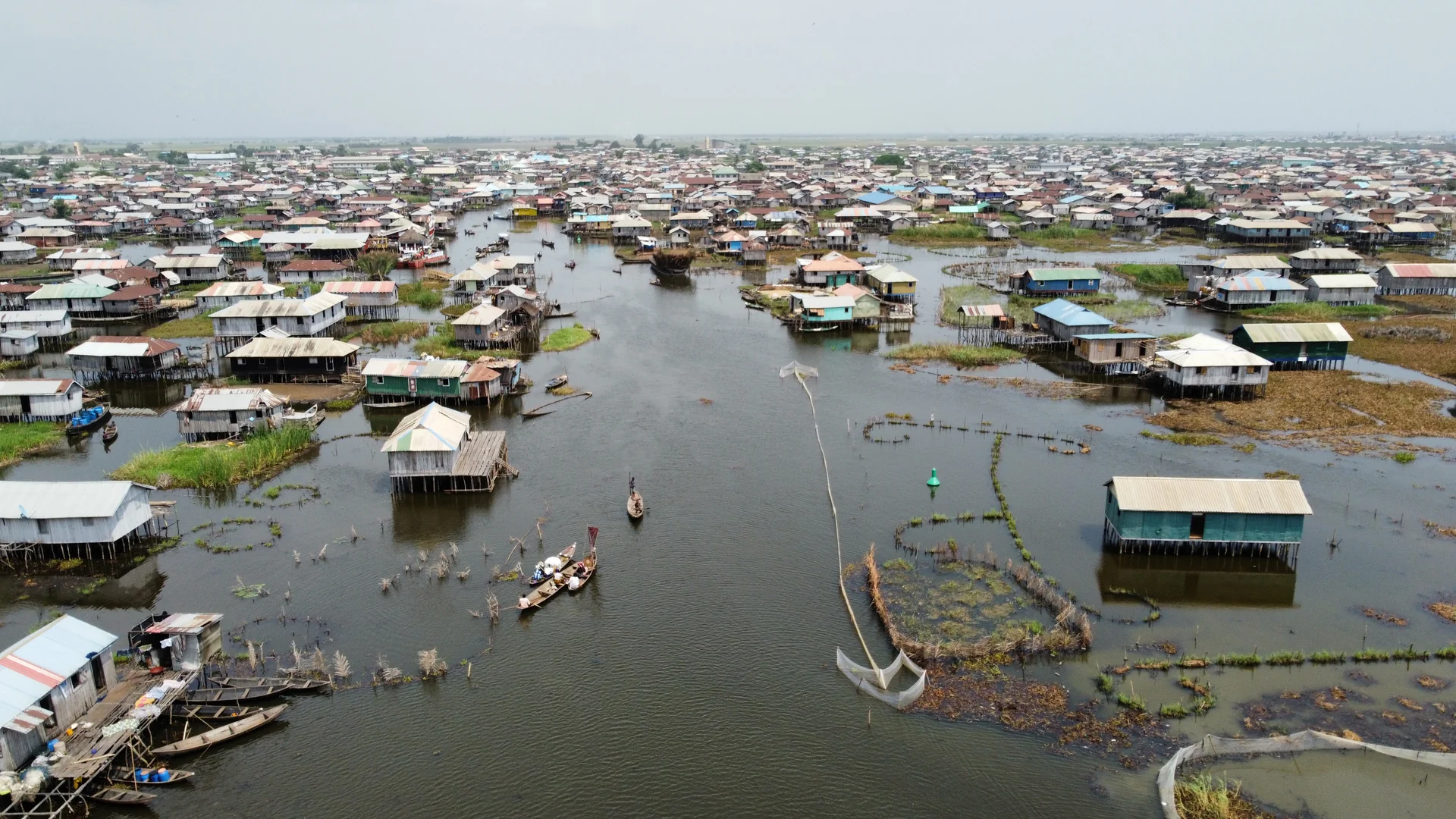
Lake Nokoue before Ganvie: geography, origins and ecosystem
Before becoming the cradle of Ganvie, Lake Nokoue was a vast lagoon system teeming with fish. A look at the geographical origins and unique ecosystem of this exceptional lake.
ReadGanvié vs other stilt villages around the world
Ganvié, Inle Lake, Nzulezu, Kampong Ayer: four stilt villages from around the world compared. Size, tourism, architecture, access and sustainability.
Read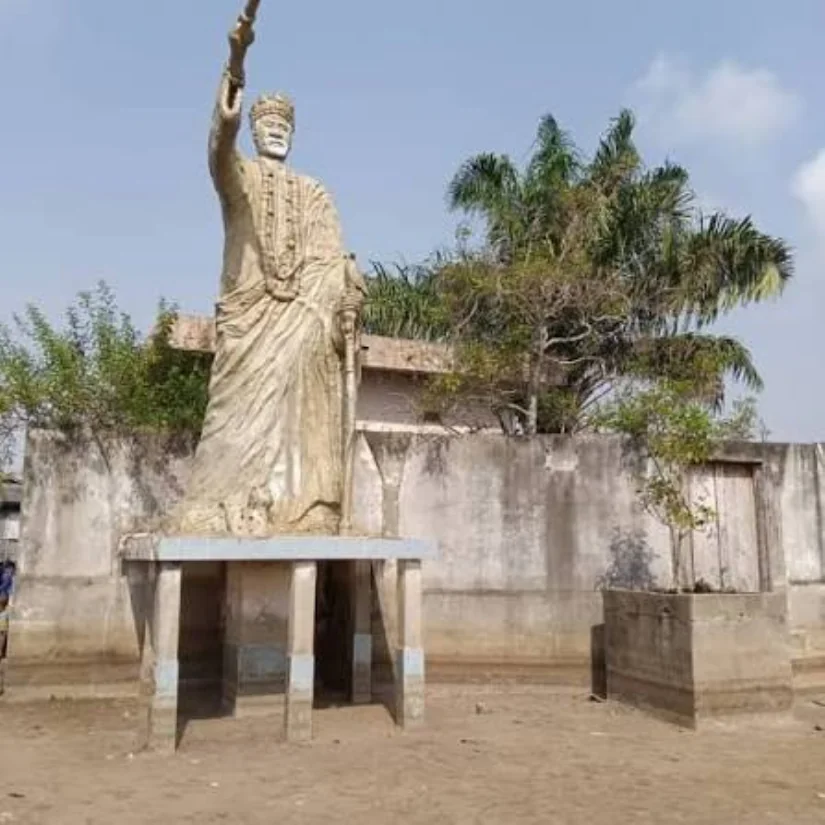
King Agbodogbé: legend, statue and memory of Ganvié's founder
The statue of King Agbodogbé stands on Ganvié's royal square. It embodies the legend of the founder who transformed into a hawk then a crocodile to save his people from Dahomey's slave raids in 1717.
ReadWhy Ganvié is called the Venice of Africa — and why the name falls short
Where the nickname 'Venice of Africa' comes from, what it accurately captures about Ganvié, and why the comparison breaks down the moment you understand what this city actually is.
ReadWho are the Tofinu people of Lake Nokoué
The Tofinu, water people of Benin, have built a unique society on Lake Nokoué over three centuries. Clan organization, fluvial economy, living traditions.
ReadAgbodogbé, the king who became a crocodile: the founding legend of Ganvié
A king who turns into a hawk, then a crocodile, and founds Africa's largest stilt village. The true founding legend of Ganvié, corrected from historical confusions.
ReadRazzias of Abomey: how Ganvié was born on the water
The military slave raids of the Dahomey kingdom forced the Tofinu to abandon dry land and seek refuge on Lake Nokoué in the 17th century. A survival choice that gave birth to Ganvié.
ReadWhat to do around Ganvie: explore lake villages and Acadja fishing
Beyond the main village, the real treasure lies in the neighboring villages and preserved areas of Lake Nokoué — explore Acadja fishing, stilt craftsmanship, and Tofinu culture.
Read