
Ganvié vs other Benin excursions: how to choose? Compare the stilt village with Pendjari, Abomey, Ouidah and Cotonou based on your interests, time and budget.
Southern Benin is full of exceptional sites, but how do you choose when time is limited? Between the stilt village of Ganvié, Pendjari National Park, the royal palaces of Abomey, the Slave Route in Ouidah and the energy of Cotonou, each destination offers a radically different experience.
This comparison helps you decide where to go based on your priorities: available time, budget, interests and travel style. The goal is not to say one site is better than another, but to give you the tools to choose the one that suits you.
Ganvié: the stilt village on Lake Nokoué
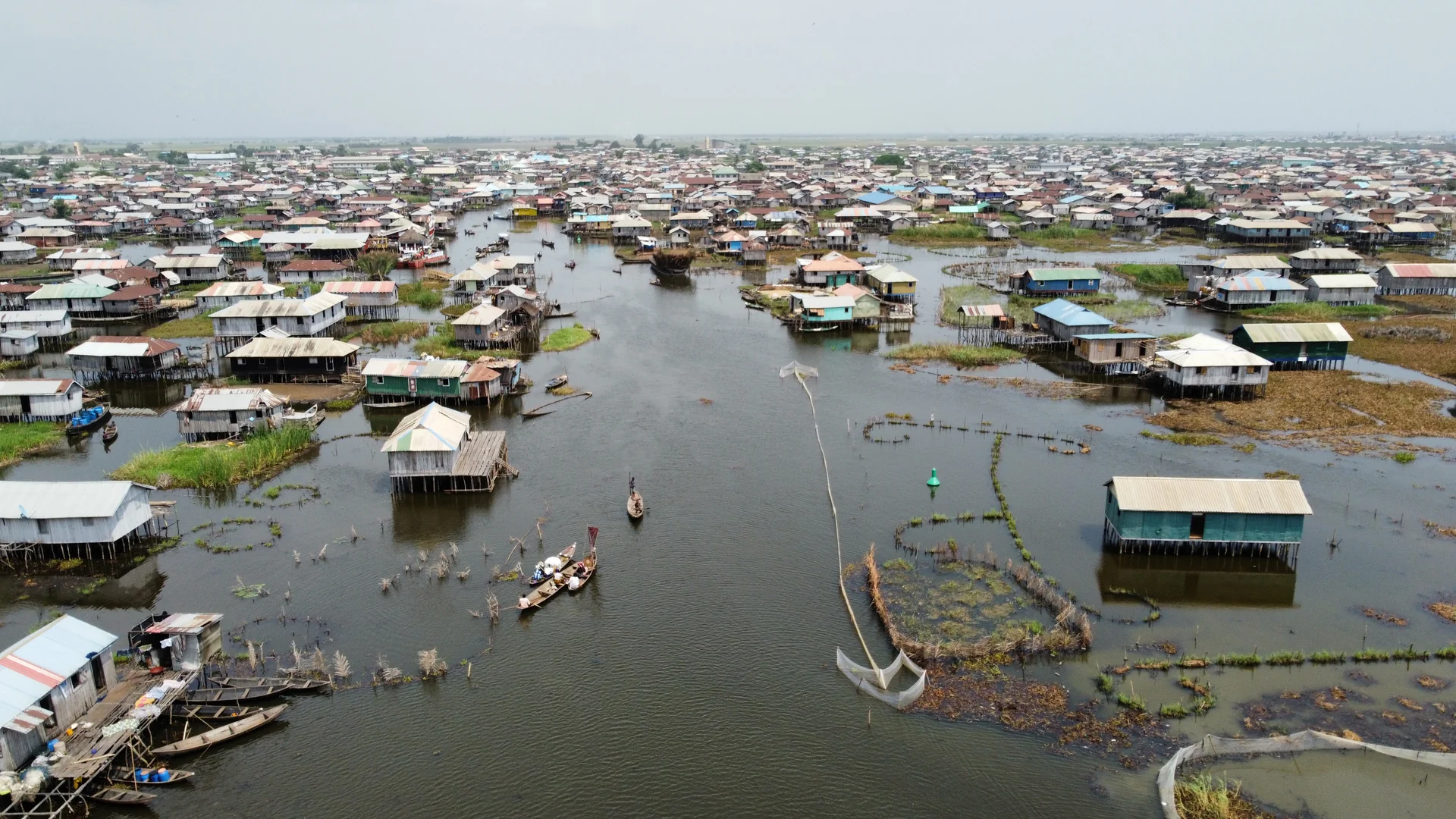
In short: A village of 30,000 people built on stilts in the middle of Lake Nokoué. Houses, schools, churches and the market are all on water. Everything moves by pirogue.
Recommended duration: A full day, ideally one night on site.
Budget: 30,000 to 80,000 FCFA depending on accommodation and guide.
Strengths: A one-of-a-kind experience worldwide, total cultural immersion, encounter with the Tofinu people, spectacular floating market at dawn, sunset over the lake.
Weaknesses: Basic comfort, no air conditioning, mosquitoes in the evening, bucket showers in family guesthouses.
Who it is for: Travelers seeking authenticity, photographers, families with children (accessible activity), couples, solo travelers. Not for those who expect standard hotel comfort.
Our view: This is the one excursion not to miss in Benin, provided you accept its rustic conditions. Those who spend a night leave with the strongest memory of their trip.
Pendjari National Park: the West African safari
In short: The last major wildlife sanctuary in West Africa, classified as a UNESCO biosphere reserve. Elephants, lions, buffaloes, antelopes and over 300 bird species.
Recommended duration: 2 to 4 days.
Budget: 150,000 to 400,000 FCFA (transport from Cotonou, accommodation, park fees, armed guide).
Strengths: Authentic safari without the crowds of the Masai Mara, beautiful savanna landscapes, chance to see lions and elephants.
Weaknesses: Distance (8 hours by road from Cotonou), difficult access on dirt roads in the rainy season, high cost, limited accommodation.
Who it is for: Nature lovers, wildlife photographers, travelers with at least 4 days to spare. Not recommended for short stays.
Our view: Pendjari is a gem, but accessing it is demanding. If you have less than 5 days in Benin, prioritize the southern sites.
Royal palaces of Abomey: the history of the Dahomey kingdom
In short: A UNESCO site comprising the palaces of the twelve kings of Danhomè. Historical painted earth bas-reliefs, a history museum and royal architecture.
Recommended duration: Half a day to a full day.
Budget: 30,000 to 60,000 FCFA (round-trip transport from Cotonou, guide, entrance fee).
Strengths: UNESCO heritage, historical richness, unique bas-reliefs, perfect complement to Ganvié and Ouidah.
Weaknesses: Can feel repetitive for non-specialists (several similar palaces), guided tour mandatory but quality varies.
Who it is for: History and culture enthusiasts, travelers on a stay of 4 days or more. Can be combined with Ganvié and Ouidah in a circuit.
Our view: Essential for understanding Benin's history, but less visually spectacular than Ganvié. Pair it with the other southern sites.
Slave Route in Ouidah: memory and spirituality
In short: The 4 km route that captives walked before boarding for the Americas. Sacred forest, python temple, museum and Door of No Return.
Recommended duration: Half a day.
Budget: 20,000 to 50,000 FCFA.
Strengths: Powerful emotional weight, moving Door of No Return, blend of memory and Vodun spirituality, beautiful beach.
Weaknesses: Emotionally draining visit, some sites in poor condition, little shade along the route.
Who it is for: All travelers, especially those interested in the history of the slave trade. An ideal complement to Ganvié.
Our view: Ouidah completes the winning trio of southern Benin alongside Ganvié and Abomey. Do it first to understand the history before experiencing the beauty of Ganvié.
Cotonou: the economic capital
In short: Benin's largest city, port, business hub, the sprawling Dantokpa market covering several hectares.
Recommended duration: One day, or use it as a base.
Budget: Free to 20,000 FCFA (guided market tour).
Strengths: Dantokpa market (one of West Africa's largest), nightlife, diverse restaurants, Zinsou Foundation (contemporary art).
Weaknesses: Chaotic traffic, pollution, few structured tourist attractions, may disappoint if you are looking for picturesque sights.
Who it is for: Those who enjoy the energy of West African cities. Cotonou is a practical stopover rather than a destination in itself.
Our view: Use Cotonou as a logistics base, not as a primary destination. Save your energy for Ganvié, Ouidah and Abomey.
Quick comparison table
| Criteria | Ganvié | Pendjari | Abomey | Ouidah | |----------|--------|----------|--------|--------| | Min. time | 1 day | 3 days | 1/2 day | 1/2 day | | Budget | Low | High | Medium | Low | | Accessibility | Easy | Difficult | Easy | Easy | | Immersion | Total | Nature | History | Memory | | Comfort | Basic | Rustic | Good | Good | | Recommended | Everyone | Enthusiasts | Everyone | Everyone |
How to choose based on your profile
You have 2 days in Benin (layover or transit). Ganvié as top priority. Spend a full day there, sleep on the water one night, return the next morning. If you cannot stay overnight, do Ganvié by day and Ouidah the same afternoon. Our Ganvié visit guide helps you optimize your time.
You have 3 to 4 days. The ideal itinerary: Ganvié (1 night), Ouidah (1 night), Abomey (1 night). Three complementary sites, maximum diversity. Pendjari can wait for a future trip.
You have 5 to 7 days. You can add Pendjari if safaris appeal to you. Allow 2 days of travel round trip plus 2 days on site. The rest of your time goes to the Ganvié-Ouidah-Abomey trio.
You are traveling with children. Ganvié is the best choice. Accessible by pirogue (children love it), no long walks, constant visual activity. Avoid Pendjari with young children (long drives, rough roads).
You are a history enthusiast. Do not skip either Abomey or Ouidah. Ganvié completes the picture with a different perspective: resistance through adaptation rather than war.
You come for nature and wildlife. Pendjari is made for you, but allow at least 4 days. If you only have 2 days, Ganvié also offers a unique nature experience: the lake, the birds, the fishermen at work.
What if I do it all?
The combined Ganvié-Ouidah-Abomey circuit in 4 to 5 days offers the best quality density in southern Benin. See our detailed itinerary for logistics.
FAQ on choosing
Can I visit Ganvié and Pendjari on the same trip?
Yes, but you need 9 to 10 days for both without rushing. Ganvié (1-2 days), road to Pendjari (2 days, with a night in Abomey or Bohicon), Pendjari (2-3 days), return (1 day). It is a full journey.
Which site is the most photogenic?
Ganvié, without hesitation. The light on the lake, the pirogues, the floating market, the stilt houses and the sunsets create unique compositions. Pendjari is beautiful for wildlife, Abomey for architecture.
Which site is most accessible from Cotonou?
Ouidah (1 hour by road) and Ganvié (45 min drive plus 30 min pirogue) are the most accessible. Abomey is 2.5 hours by road. Pendjari requires a full day of transport.
Which site for a first visit to Benin?
Ganvié. It is what makes Benin unique in the world. Nothing comparable exists anywhere else. Start there, and everything else is a bonus.
What Ganvié offers that other sites cannot
There is one thing Ganvié does better than every other site in Benin, and that very few places in West Africa can claim: it immerses you in a culture that is still alive, not in its memory.
The palaces of Abomey tell the story of Dahomey through its ruins and remains. Ouidah bears witness to a historical trauma through its memorial monuments. Pendjari shows you wild nature in a form that has survived human pressure. These are valuable experiences, but they all look toward the past or toward nature.
Ganvié, however, is the present. The 20,000 to 30,000 Tofinu who live on the lake today are not keepers of a museum tradition. They are fishermen, traders, teachers, builders, artisans. All of this on water, like their ancestors since the 17th century. When you cross the lake by pirogue, you are not entering a classified site. You are entering someone's life.
That is what makes Ganvié irreplaceable in a Benin itinerary.
Conclusion
Ganvié stands apart from other Benin excursions through its unique character in the world. Pendjari offers wild nature, Abomey tells history and Ouidah carries memory, but Ganvié is an experience without equal. If you could choose only one excursion in Benin, this would be it.
Book your visit
Guided tour with native Tofinu guide, private pirogue, fixed prices.
Questions fréquentes
What is the best one-day excursion in Benin?
Ganvié or Pendjari: which to choose?
Can I visit Ganvié and Abomey on the same day?
How does each excursion's cost compare to Ganvié?
Which Benin site is best for photographers?
The Secret Guide to Ganvié: Hidden Gems & Etiquette
Discover the authentic Ganvié far from the tourist crowds. Download our exclusive PDF to prepare a respectful and unforgettable visit.
We respect your inbox. No spam.
The Visit Ganvié Team
Written by native Tofinu guides. We have navigated Lake Nokoué since childhood to share the true history of our city, far from tourist traps.
Related articles
Tipping in Ganvié & Benin: How Much Should You Tip Tour Guides and Boat Captains?
Should you tip during your tour of Ganvié? Discover local customs, recommended FCFA tip amounts for guides and boat drivers, and how to express gratitude respectfully.
supportSafety & Health in Ganvié: Mosquitoes, Life Vests & Family Travel Guide
Visiting a water stilt village raises natural questions about boat safety, mosquitoes, and health. Discover expert safety tips for traveling to Ganvié with complete peace of mind.