
Benin is packed with unique tourist attractions: the stilt city of Ganvié, the Slave Route in Ouidah, the Royal Palaces of Abomey, Porto-Novo, Grand-Popo beaches, and Pendjari National Park. Complete guide with suggested itinerary.
Why Benin deserves a visit
Benin is one of the smallest countries in West Africa, yet its density of heritage is exceptional. In a single week, you can go from UNESCO-listed royal palaces to Atlantic beaches, from floating markets to savanna safaris, from Afro-Brazilian churches to Vodun temples. Few destinations offer such variety in such a compact territory. This guide presents the main tourist attractions in Benin not to be missed, organized by region, with tips for planning your trip.
Only three hours of road separate the north from the south. That is both a strength and a trap: you want to see everything, but each place deserves its time. Among the most popular tourist attractions in Benin, Ganvié ranks first, followed by Ouidah and Abomey. Yet the country holds lesser-known treasures well worth the detour.
The challenge, when planning a trip to Benin, is not finding what to see. It is making choices. Here is how to build your itinerary.
This guide covers eight major tourist attractions in Benin, from the stilt villages of the south to the savanna parks of the north. Each section includes practical tips on how much time to allow and what not to miss.
Ganvié, the Venice of Africa
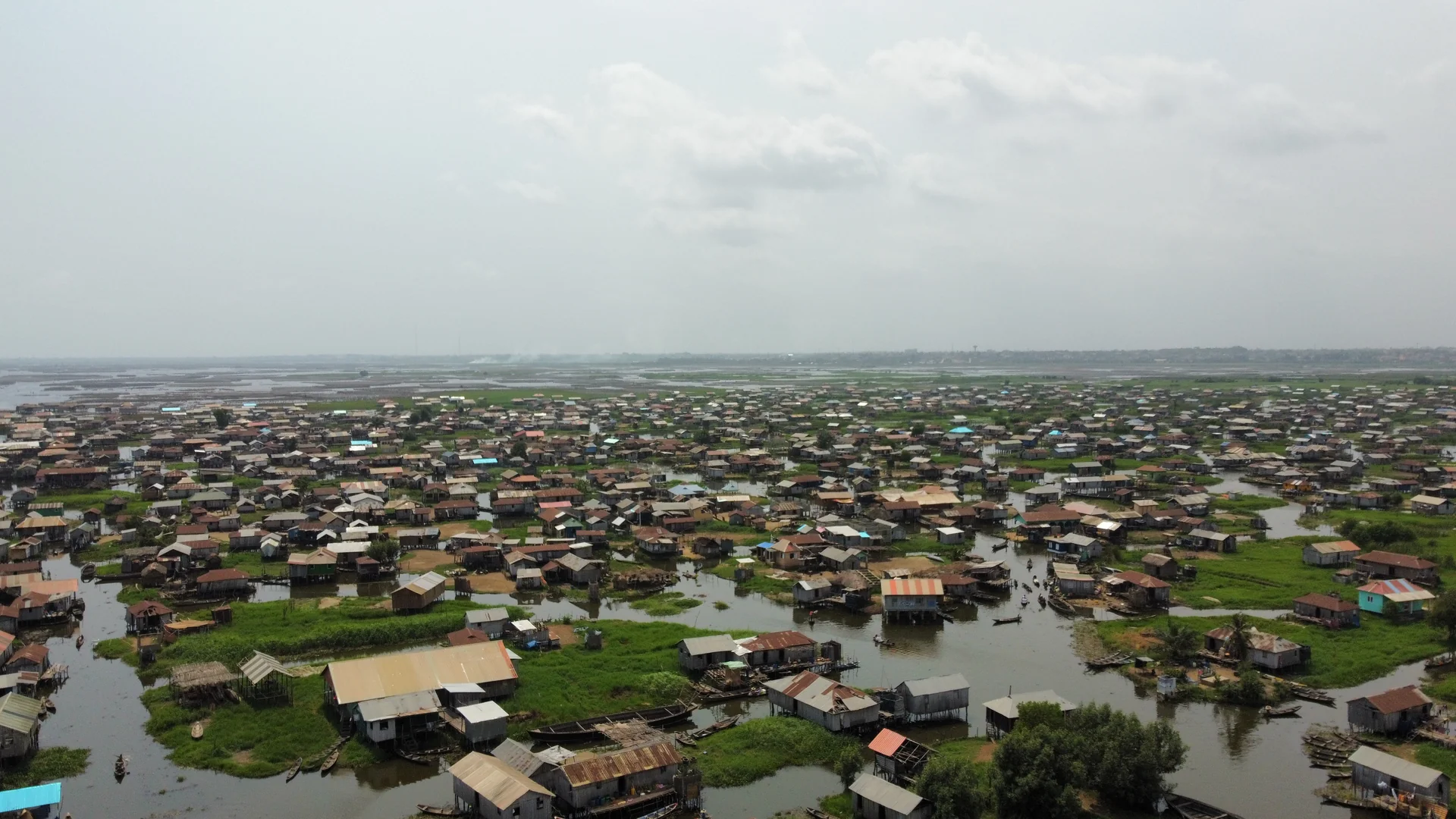
Ganvié is Africa's largest stilt city, entirely built on pilings in the middle of Lake Nokoué. With over 30,000 inhabitants, it is not a tourist village but a living city where every trip is made by pirogue. It is arguably the most surprising of Benin's tourist attractions.
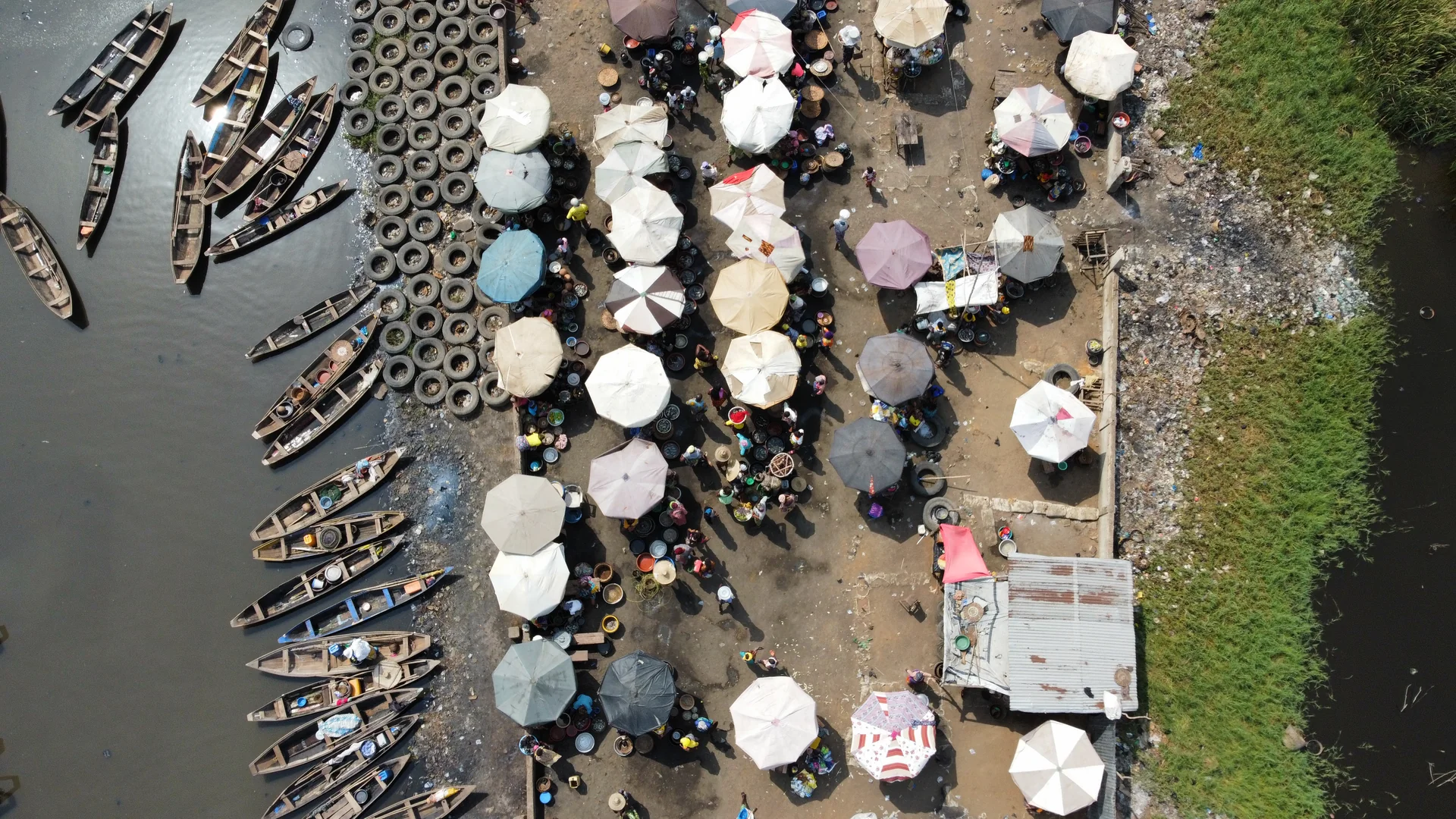
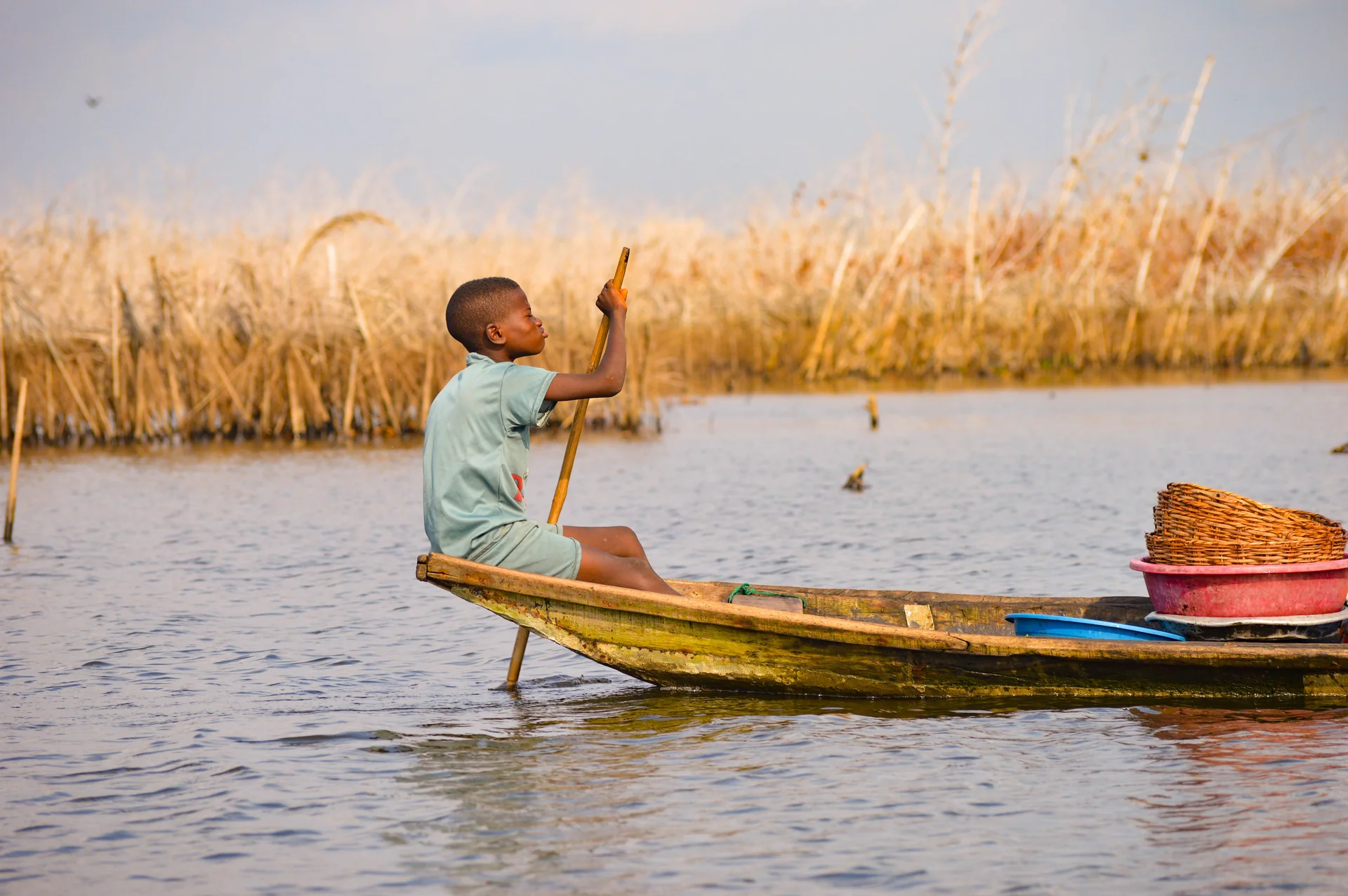
What makes Ganvié unique is the total absence of staging. Children paddle to school. The floating market supplies thousands of families every day. Fishermen repair their nets by their floating homes. Nothing is fabricated for tourists.
What to see and do: pirogue ride through the canals, floating market visit (between 7:00 AM and 10:00 AM), traditional Acadja fishing demonstration, dinner on the water at sunset. Allow half a day for the essentials, a full day for an immersive experience.
A sunrise visit is particularly rewarding. The market is at its liveliest early in the morning, the light is soft for photography, and the lake is calm. Your guide will navigate through the market canals, explaining how trade works on water and introducing you to local vendors.
Ouidah, between memory and spirituality
Ouidah is the most history-rich city in Benin. A former Portuguese trading post and departure point for the slave trade to the Americas, it is today a place of memory and a major spiritual center of Vodun. It is one of the tourist attractions in Benin that draws the most international visitors, and for good reason: no other place concentrates so much history in so few kilometers.
The Slave Route crosses the city from the Place of Auctions to the Door of No Return on the Atlantic beach. Each station tells a stage of the captives' ordeal: the Tree of Forgetfulness, the Zoungbodji Memorial, the Portuguese Fort housing the Ouidah Museum of History.
Alongside this painful history, Ouidah pulses with living spirituality. The Python Temple, the Kpasse sacred forest, and Vodun convents testify to a culture that has survived centuries. The Zinsou Foundation exhibits contemporary African art in a former colonial villa, creating a powerful dialogue between tradition and modernity.
What to see and do: Slave Route, Door of No Return, Ouidah Museum of History, Python Temple, Zinsou Foundation. Allow one full day.
The suggested pace is to start at the Place of Auctions in the morning, walk or drive the Slave Route to the coast, visit the Door of No Return at midday, then explore the museums and the Python Temple in the afternoon. End the day at the Zinsou Foundation or beachfront restaurants.
Abomey, heart of the Dahomey kingdom
The Royal Palaces of Abomey, a UNESCO World Heritage site since 1985, are among the most important architectural ensembles in West Africa. Former capital of the Kingdom of Abomey, the city preserves the remains of twelve royal palaces built between the 17th and 19th centuries. Among the UNESCO-listed tourist attractions in Benin, it is the most visited.
The historical museum, housed in the palaces of Kings Glèlè and Ghézo, displays the kingdom's treasures: carved thrones, ceremonial staffs, appliqué tapestries, ancestor statues, weapons, and ritual iron and bronze objects. The polychrome bas-reliefs adorning the walls recount the history and exploits of successive kings.
What to see and do: Royal Palaces, historical museum, appliqué tapestry workshops, Abomey market. Allow two to three hours for the palace visit.
Porto-Novo, the cultural capital
Porto-Novo, Benin's official capital, is often overlooked by hurried travelers. That is a mistake. The city boasts a unique Afro-Brazilian architectural heritage inherited from former slaves who returned from Brazil in the 19th century. It is one of the most underrated tourist attractions in Benin.
The Honmé Museum, housed in the former palace of King Toffa, presents the history and culture of southeastern Benin's peoples through collections of royal objects, masks, and musical instruments. The Alexandre Sènou Adandé Ethnographic Museum holds one of the country's richest collections of traditional objects. The da Silva Museum, in a restored 19th-century Afro-Brazilian house, tells the story of the Brazilians' return and their integration into Beninese society.
The central mosque of Porto-Novo, built in Afro-Brazilian style in ochre and white, and the colorful houses of the historic district are worth the trip alone.
What to see and do: Honmé Museum, da Silva Museum, central mosque, Afro-Brazilian quarter, Ouando market. Allow half a day.
A guided walking tour of the Afro-Brazilian quarter reveals houses with painted facades, wrought-iron balconies, and inner courtyards that could belong to Salvador de Bahia. The da Silva Museum offers a particularly moving account of the return journey and reintegration of freed slaves into Beninese society. The museum's collection of photographs and documents traces this transatlantic homecoming in vivid detail.
Adjarra Black River, sacred and natural heritage
A few kilometers from Porto-Novo, the Adjarra Black River is a striking natural and spiritual site. This black-water lagoon, surrounded by mangrove forests and aquatic plants, is considered a sacred place by local communities. It is one of the most authentic tourist attractions in Benin, far from standardized tours.
The site harbors traditional beliefs and practices linked to Vodun. Ceremonies still take place on its banks, and local fishermen perpetuate ancestral fishing techniques in these dark waters. Ecotourism is beginning to develop, driven by local initiatives seeking to balance cultural preservation with visitor welcome.
It is also a bird sanctuary and an ecologically important wetland. A pirogue excursion on the Black River offers a striking contrast with the hustle of nearby cities. The silence, broken only by bird calls and the dip of paddles, is one of the most memorable impressions of the visit.
What to see and do: pirogue ride on the lagoon, birdwatching, discovery of sacred sites. Allow two to three hours.
Grand-Popo, beaches and coastal lagoons
Grand-Popo, on the Atlantic coast, is Benin's beach resort. Its palm-fringed sandy beaches, peaceful lagoon, and relaxed atmosphere make it an ideal stop for unwinding after a tour. Among the tourist attractions in Benin dedicated to leisure, it is the most renowned.
Bouche du Roy, where the Mono River meets the ocean, is a spectacular natural site. Fishermen haul their pirogues through the crashing waves, and the sunsets over the lagoon are among the country's most beautiful. The view is especially impressive in the late afternoon.
Grand-Popo is also a center of coastal Vodun culture, with festivals and ceremonies throughout the year. Several eco-lodges offer lagoon-front accommodation built from local materials and integrated into the environment.
What to see and do: Atlantic beaches, Bouche du Roy, pirogue ride on the lagoon, eco-lodges. Allow one full day.
Pendjari National Park and W Park, Benin's safari
Pendjari National Park is one of the last great wildlife reserves in West Africa. Together with W National Park in Niger, it forms a transboundary UNESCO World Heritage site. It is the best destination for those seeking tourist attractions in Benin related to wilderness and safaris.
You can observe elephants, buffalo, hippos, lions, cheetahs, antelopes, and over 300 bird species. The dry season (November to May) offers the best viewing conditions, as animals gather around waterholes. The wooded savanna landscapes, dotted with termite mounds and baobabs, are magnificent.
The park is accessible from Natitingou and offers vehicle safaris with experienced guides. Tanougou Falls and Kota Falls, located nearby, allow you to combine safari with hiking in the Atacora mountain range.
What to see and do: Pendjari safari, Tanougou Falls, Atacora range, Tata Somba (traditional Batammariba architecture). Allow a minimum of two days.
The Tata Somba houses, with their distinctive fortress-like architecture of clay towers and flat roofs, are scattered across the Atacora hills. A visit to a Tata Somba village offers a glimpse into a way of life that has remained largely unchanged for centuries.
Suggested itinerary for discovering Benin
Benin is best explored over 7 to 10 days. Here is a route covering the main tourist attractions in Benin while minimizing travel time:
Day 1-2: Cotonou and Ganvié. Settle in Cotonou. Day 2: early departure for Ganvié (Abomey-Calavi pier). Floating market visit in the morning, pirogue ride and lunch on the water. Return to Cotonou for the afternoon (Grand Marché, Zinsou Foundation, Dantokpa market).
Day 3: Ouidah. Slave Route, Door of No Return, Museum of History, Python Temple. Lunch by the ocean, overnight on the coast.
Day 4: Porto-Novo and Adjarra Black River. Honmé Museum in the morning, pirogue ride on the Black River in the afternoon. Overnight in Porto-Novo.
Day 5: Grand-Popo. Beach relaxation in the morning, lagoon pirogue ride in the afternoon, sunset at Bouche du Roy. Stay at an eco-lodge.
Day 6-7: Abomey and the north. Drive to Abomey (2 hours), Royal Palaces visit in the morning. Lunch in Abomey then road north.
Day 7-8: Pendjari National Park. Full-day safari. Observe large mammals at waterholes. Overnight inside the park or in Natitingou.
This itinerary can be adapted to your time and interests. For a 5-day trip, focus on the south: Ganvié, Ouidah, Porto-Novo, and Grand-Popo.
Book your visit
Guided tour with native Tofinu guide, private pirogue, fixed prices.
Frequently asked questions about Benin tourism
What is the best time to visit the tourist attractions in Benin? The dry season, from November to March, is ideal. Temperatures are pleasant on the coast (25-32°C) and national parks are accessible. The rainy season (April to October) makes some roads difficult but landscapes are greener and crowds thinner.
How many days are needed to visit the main attractions in Benin? Allow 7 to 10 days for a complete circuit including Ganvié, Ouidah, Abomey, Porto-Novo, Grand-Popo, and Pendjari Park. In 5 days, focus on the south: Ganvié, Ouidah, Porto-Novo, and Grand-Popo.
Do I need a visa to travel to Benin? Yes, the electronic visa (e-visa) is available online before departure. It allows a 30-day stay. The process is simple: fill out the form, pay online, receive the visa by email.
Are Benin's tourist attractions suitable for families? Yes, most sites are family-friendly. The Ganvié pirogue visit, Abomey museums, and Grand-Popo beaches are especially suitable for children. Pendjari Park is not recommended for very young children due to long vehicle drives.
Can I visit Benin's sites without a guide? For Ganvié, Ouidah, and Abomey, a local guide is highly recommended to understand the history and culture in depth. For Pendjari Park, a guide is mandatory for safety reasons. Porto-Novo and Grand-Popo are easy to explore independently.
What budget should I plan for a Benin trip? Expect between 800,000 and 1,500,000 FCFA (approximately 1,200 to 2,300 euros) per person for a 7- to 10-day trip including transport, mid-range accommodation, guides, and meals. Eco-lodges and homestays can reduce the budget.
Is Benin a safe destination? Benin is considered one of the most stable and safest countries in West Africa. Travelers face no specific movement restrictions, except for northern border areas advised against by authorities. The population is welcoming and crime rates are low in tourist areas.
The Secret Guide to Ganvié: Hidden Gems & Etiquette
Discover the authentic Ganvié far from the tourist crowds. Download our exclusive PDF to prepare a respectful and unforgettable visit.
We respect your inbox. No spam.
The Visit Ganvié Team
Written by native Tofinu guides. We have navigated Lake Nokoué since childhood to share the true history of our city, far from tourist traps.
Related articles
From Cotonou Airport (COO) to Ganvié Pier: Transfers, Taxis & Transport Guide
Landing at Cotonou International Airport (COO) and heading directly to the lake stilt village of Ganvié? Discover our comprehensive transport guide, drive times, and taxi fares.
supportGanvié: tourism and visit on Lake Nokoué
Ganvié is Africa's largest stilt village. Between pirogues, floating market, Acadja fishing, and life on stilts, it offers an unforgettable tourism experience on Lake Nokoué. Everything you need to know before your visit.