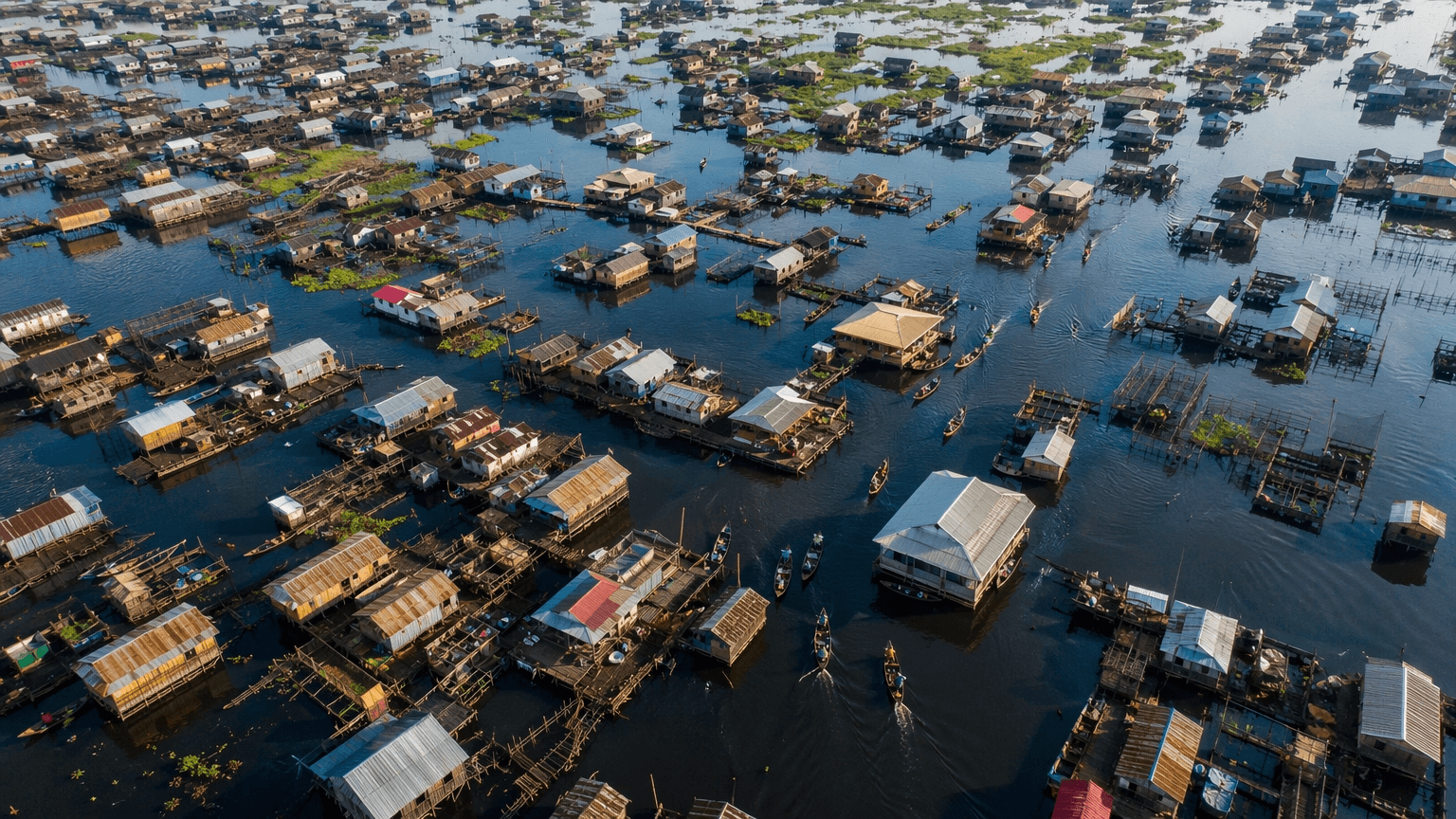
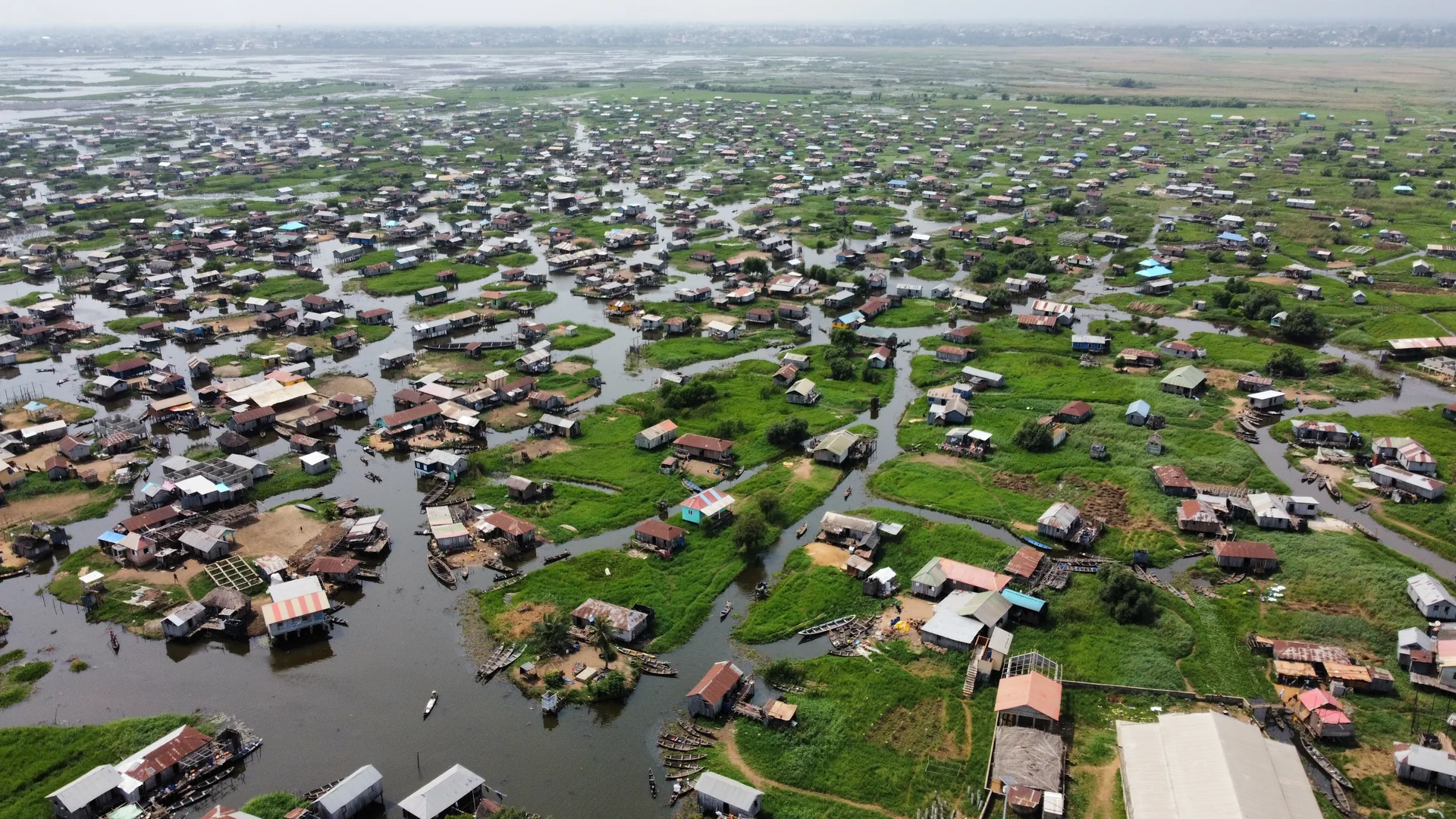
Benin's Council of Ministers classified Ganvié as national cultural heritage on March 4, 2026. What this decision means for anyone planning a visit to the stilt city.
On March 4, 2026, Benin's Council of Ministers made a decision most visitors won't notice when they step off the pier at Abomey-Calavi, yet it changes the long-term trajectory of the stilt city. Ganvié is now officially classified as national cultural heritage. For anyone planning an excursion on Lake Nokoué, here's what this news actually means, beyond the symbolism.
What "national cultural heritage" legally means
This classification isn't a symbolic press release. It rests on a precise legal framework, Law No. 2007-20 on the protection of cultural and natural heritage of cultural character in the Republic of Benin, reinforced in 2021 by Law No. 2021-09, which strengthened protection mechanisms around the return of 26 royal artworks restituted by France. That same legal arsenal now governs Ganvié's preservation.
In practice, a national cultural heritage classification gives the Beninese state concrete powers: prior authorization for any substantial modification to the built environment, the ability to restrict uses incompatible with preserving the site, and an obligation for local authorities to factor this protection into urban planning decisions. For a city built entirely on stilts, where every new construction shifts the balance of the lake, this framework is far from a formality.
The government justifies the decision with real, documented threats: the city's demographic growth, with nearly 30,000 Tofinu people currently living on stilts; progressive pollution of Lake Nokoué tied to upstream human activity; degradation of the fishing ecosystems the local economy depends on; and the effects of climate change on water levels, which directly threatens the stability of lacustrine foundations.
Ganvié is not an open-air museum. It's a living city where people fish, trade, and still practice the vodun rites passed down since the 18th century. The classification acknowledges this reality and aims to support it rather than constrain it.
A step, not an arrival: the UNESCO connection
Benin currently has only three sites inscribed on the UNESCO World Heritage list: the Royal Palaces of Abomey, listed as early as 1985, and more recently the intangible dimension of Guèlèdè. Five other sites, including Ganvié, sit on the tentative list, the mandatory antechamber to any official candidacy for full inscription.
The March 2026 national classification fits directly into that trajectory. Beninese authorities present it as a structuring step ahead of a possible full UNESCO inscription, following the same path Abomey took four decades earlier: national recognition first, a candidacy file second, international inscription last if the file succeeds.
In practice, this means the state is taking on conservation obligations it hadn't formally committed to before, and the city enters a more rigorous monitoring framework, including regular reports on the site's state of conservation. For a site that has already watched poorly managed modernization attempts play out elsewhere in West Africa, that's not a minor administrative detail. It's the difference between a political promise and a documented commitment.
What it actually changes for your visit
The authenticity of the place stays intact. The classification doesn't turn Ganvié into a museum-like site with strict hours and inflated entry tickets. Families keep living on their stilts, the floating market keeps its rhythm, children still paddle to school by pirogue. What you'll see in 2026 still closely resembles what visitors saw a decade ago, with one notable difference: the site now benefits from a protection framework that limits uncontrolled construction sprawl or unchecked degradation of the lake.
Visitor numbers could rise. A heritage classification, especially one backed by a UNESCO trajectory, mechanically draws media attention and tourist interest. Booking your excursion in advance, particularly during the dry season (November to April, the most favorable period for navigating Lake Nokoué), is becoming an increasingly useful precaution.
Certified guides matter more than ever. Within a heritage-protection dynamic, authorities and local stakeholders increasingly emphasize tourism led by trained native guides, capable of explaining Tofinu history without distorting it and respecting local customs, from the pace of daily life to the sacred sites along the way.
What Abomey teaches us about what comes next
The precedent of the Royal Palaces of Abomey is useful for understanding what could happen to Ganvié in the coming years. Classified as national heritage before its 1985 UNESCO inscription, the Abomey site benefited from a wave of international investment for restoring bas-reliefs, training specialized guides, and building dedicated visitor infrastructure. It remains one of Benin's most visited cultural destinations today, with attendance that grew considerably following its international inscription.
Ganvié isn't destined to become a site frozen behind glass, the way some historic palaces are. Its nature as a living city, where daily life continues on the water, calls for a different preservation model, closer to what UNESCO terms a "living cultural landscape." But the underlying mechanics remain comparable: a national classification triggers funding, media attention, and a gradual structuring of the tourism offering around the site.
The Sô-Ava region, under whose administration Ganvié falls, also faces growing land pressure and progressive erosion of Lake Nokoué's shoreline. The heritage classification now gives the state a legal lever to regulate construction across this wider perimeter, limit industrial pollution near the lake, and coordinate preservation investments with international partners such as the French Development Agency, already engaged since 2019 in the lacustrine housing renovation program.
A recognition that runs deep
The Tofinu people settled on Lake Nokoué in the 18th century to escape raids from the Kingdom of Dahomey, a story of survival that became a way of life. Three centuries later, that same community faces a different kind of pressure, slower but just as real: an environment that keeps deteriorating and a modernity that threatens to erase what makes the place singular.
The March 4, 2026 classification doesn't solve everything on its own. But it sets an official framework where none existed before, and it sends a clear signal to visitors curious about a still-living heritage: Ganvié is entering a phase where its preservation becomes a stated national priority, not just a tourism promise.
For anyone planning an excursion on Lake Nokoué in the coming months, that's a simple takeaway: the place you're about to discover is gaining protection, without losing authenticity.
Sources: La Nation, Le Potentiel, Le Patriote Bénin, UNESCO Database of National Cultural Heritage Laws, Wikipedia — World Heritage List in Benin
Want to experience Lake Ganvié firsthand?
Book your certified pirogue guide for a unique cultural crossing from Abomey-Calavi pier.
Réseau Destination Bénin
Official Mainland Gateway
Discover hotel stays, dining & transport in Calavi before embarking.
City of Memory & Vodoun
Explore the Door of No Return, Python Temple & Sacred Forest.
Kingdom of Dahomey Kings
Visit UNESCO Royal Palaces and Dahomey historical heritage.
Beaches & Bouche du Roy
Relax on golden sands and explore Mono river estuary ecosystems.