

A practical guide to visiting Ganvié responsibly: how to choose a guide who is actually from the community, pay fair prices, navigate photography ethics on the lake, respect vodun sacred spaces, and protect Lake Nokoué for the next generation.
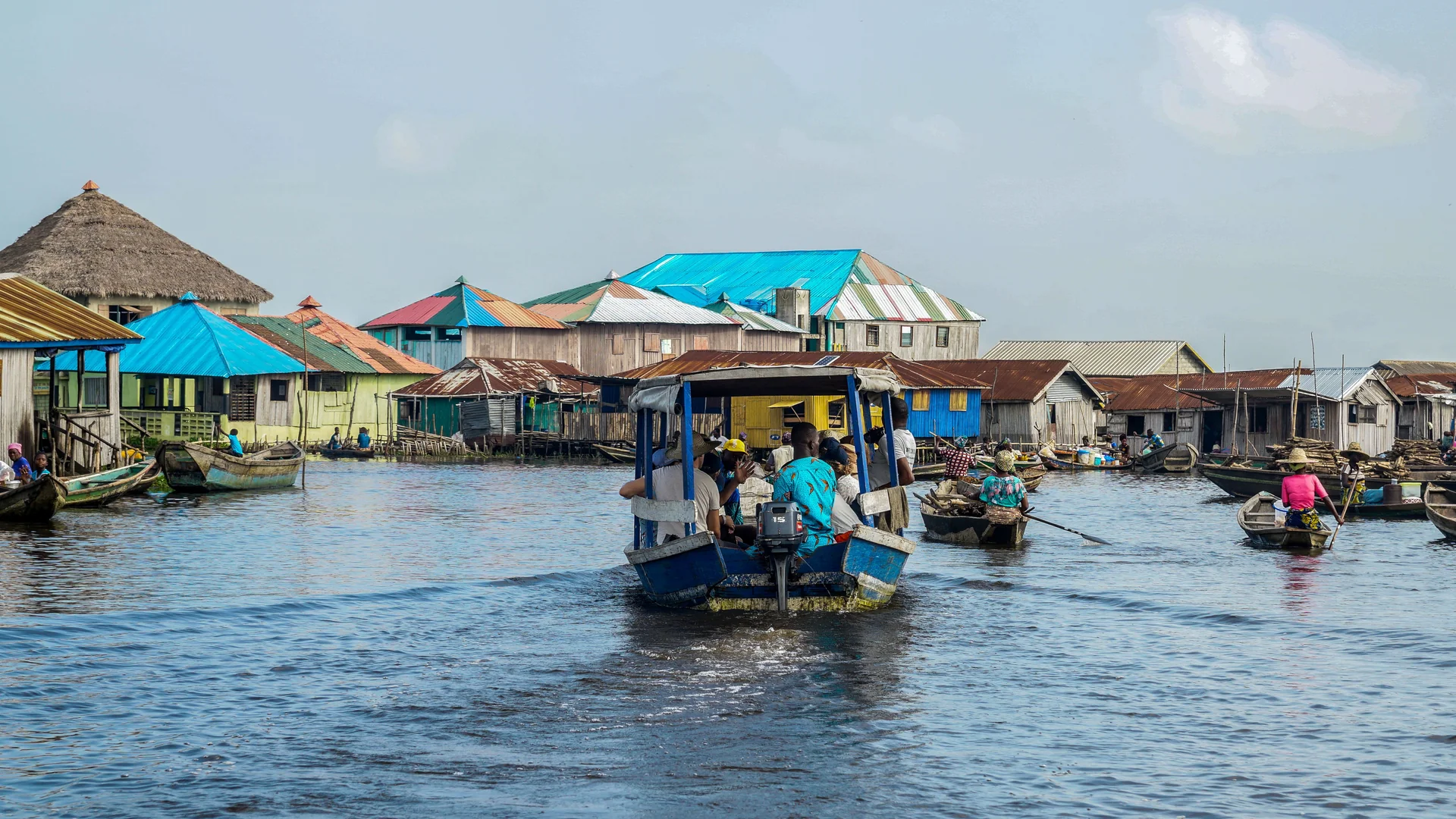
Every year, tens of thousands of visitors make the crossing from Abomey-Calavi to Ganvié. Most arrive by organized tour from Cotonou, spend two to three hours photographing the floating market and the stilt houses, then return to the continent before noon. The economic benefit to Ganvié from this type of visit is minimal. The community earns a fraction of what the tour operator charges. The guide who paddled the pirogue receives a flat rate that has barely changed in a decade. The family that sold a bottle of water or a woven basket took home a few hundred francs.
Responsible travel in Benin and Ganvié starts with understanding this gap — and making different choices where you can.
- Choose a guide who is from Ganvié, not one hired by a Cotonou agency. 2. Pay the guide directly, in addition to any tour fee. 3. Ask before photographing anyone — including children. 4. Buy artisanal goods directly from the maker, not from intermediaries at the embarcadère. 5. Don't throw anything in the lake. 6. Stay overnight if you can — one night in Ganvié does more for the local economy than five day trips.
The economic reality behind the visit
When a tourist pays 25,000 to 35,000 CFA francs for a "Ganvié day trip" in Cotonou, where does that money go? The largest share covers transport from Cotonou to Abomey-Calavi, the pirogue for the crossing, and the agency's margin. The guide who actually walks you through the market and explains the history of the lake receives a fraction of the total — often 2,000 to 5,000 CFA for several hours of work.
This is what development economists call economic leakage: revenue generated by tourism in a destination that flows out of that destination to intermediaries elsewhere. It's not fraud. It's the default structure of most packaged tourism, and it applies just as much to safaris in Kenya and tours of Angkor as it does to Ganvié.
Three specific patterns concentrate this effect in Ganvié:
Agency guides from the mainland are hired by Cotonou operators to accompany groups. They know Ganvié as a route, not as a community. Their income flows back to Cotonou. A Tofinu guide who grew up in Ganvié and has family there will always offer a richer visit — and the fee you pay stays in the lake city.
Embarcadère vendors sell souvenirs at the departure point on the mainland. These intermediaries capture a commercial margin that does not reach the artisans in Ganvié who made the goods. If you want to buy a woven basket or a carved pirogue figurine, wait until you're on the lake and buy directly from the maker.
Short visits don't fund accommodation. A community that depends on day visitors will never develop the infrastructure for sustainable tourism. One overnight stay generates more local economic activity than five day trips — the meal you eat on a terrace, the host family who set up your room, the morning at the market before the day-tour boats arrive.
How to identify a guide who is really from Ganvié
The single most impactful thing you can do for responsible tourism in Ganvié is hire a guide who actually lives there — or who grew up there and still has family on the lake.
Spotting this in advance isn't always easy, but there are practical markers:
A genuine Tofinu guide will know people at the market by name and will be known by them. He will greet families at specific houses rather than stopping at "official" tourist stops. He will speak Goun or Fon with the people you meet, not just French or English. He will be able to tell you about specific Acadja fishermen, show you structures his own family tends, or point to the house where he was born.
Ask before booking: "Were you born in Ganvié? Do you live there now or did you grow up there?" A guide hired through a Cotonou agency who was recruited at the embarcadère will give you a vague answer. A guide from the community will have a specific, immediate answer.
You can also look for guides through community cooperatives rather than through mainland agencies. This ensures your booking fee flows back to Ganvié from the start.
Fair pricing and what "fair" means in this context
Tourism in Ganvié has a pricing problem. Mainland operators push prices down to compete with each other, which compresses guide fees at the bottom. Meanwhile, tourists who know they're visiting a modest community often try to bargain aggressively on everything — which is culturally natural at a market, but corrosive when applied to a professional's fee.
Some reference points: a competent, full-day guide should earn at minimum 10,000 to 15,000 CFA for a day tour. If your package already includes a guide and you feel the guidance was exceptional, adding 3,000 to 5,000 CFA as a direct tip makes a material difference. A pirogue crossing for a full-day visit (not a short tourist loop) is fairly priced at around 5,000 to 8,000 CFA depending on duration and distance covered.
At the floating market, vendors accept negotiation — this is market culture and both parties expect it. But on artisanal goods made by an individual craftsperson, a small premium for quality work is worth paying rather than bargaining away.
Photography ethics on the lake
Ganvié is one of the most photographed communities in West Africa. The stilt houses, the women in colorful pirogues at the market, the children playing on wooden walkways — all of these images have been reproduced in magazines, travel blogs, and tourism campaigns for decades. The people who live those images have rarely had a say in how they're used.
This doesn't mean you can't take photos. It means you should take them differently.
Ask every time. Not once as a general permission for the day — ask specifically, for each person you want to photograph. The word in French is "Photo?" with a gesture toward your camera. Many people will say yes. Some will say no, and you should accept that immediately. A guide from the community will facilitate these exchanges in Goun or Fon, which changes the dynamic completely compared to a tourist pointing a camera at a stranger.
Children require particular care. Photos of children in tourist brochures and travel blogs are common in the Ganvié context. Children can't consent to their image being distributed online. When photographing children, ask a parent or nearby adult first. Consider whether the image will be used in ways that reduce a child's dignity — even images that seem charming to the outside eye can frame poverty in a way that doesn't represent how the family sees itself.
Pay for portraits. If a fisherman or vendor agrees to a posed portrait, a small payment of 500 to 1,000 CFA is appropriate and expected in market contexts. This is not unusual — portrait subjects everywhere receive compensation for professional photos.
Respect vodun spaces. Certain areas of Ganvié contain vodun shrines or ceremonial spaces. These are active places of worship, not decorative elements for a photo backdrop. Your guide will tell you which areas should not be photographed. Follow this guidance without negotiation.
Respecting vodun and sacred practices
Ganvié has a deep vodun tradition that shapes community life in ways that aren't immediately obvious to outside visitors. You will likely see shrines — small structures with offerings, marked with specific objects — integrated into the neighborhood fabric. You may see ceremonial preparations or encounter restricted areas.
A few rules that are not negotiable:
Never photograph a vodun shrine without explicit permission. Never touch objects placed near a shrine. If you see a ceremony in progress, keep your distance and do not photograph unless specifically invited by a participant. If your guide tells you a space is restricted, accept this without asking for an exception.
These are not superstitions to be politely tolerated. Vodun is a living religion that organizes social and spiritual life throughout southern Benin. Treating it with the same respect you would extend to any active place of worship is the minimum expected of visitors.
Where to sleep: choosing accommodation that supports Ganvié
Where you sleep matters for responsible travel in Benin and Ganvié.
Accommodations on the lake — ecolodges built on stilts, homestay rooms in community-run houses — keep your spending in Ganvié directly. Some of these options are operated by Tofinu families who built their lodging specifically to create an income source beyond fishing, which is under increasing pressure from pollution and lake degradation.
When evaluating an accommodation, ask: Is it owned by someone from the community, or by a mainland investor? Do the staff live in Ganvié? Does the kitchen source food from the local market?
Beyond the economic dimension, sleeping on the lake gives you access to Ganvié in the hours that day trips miss: the dawn market before the sun rises, the quiet of the afternoon when the tourist boats have left, the evening conversations on a terrace as the light fades over the water. This is when the real texture of life on Lake Nokoué becomes visible.
The Illusion of the Cheap Tour
Haggling aggressively for a cheap tour at the dock isn't a win; it's often a loss for the local economy. Slashed prices force touts to make up the difference through hidden commissions or by underpaying native boatmen.
Our Premium Tours apply a fair and transparent pricing policy. By booking with us, you have the absolute guarantee that there are no unnecessary middlemen, that your native Tofinu guide earns a dignified wage, and that your money goes directly to those who keep Lake Nokoué alive.
Book a local guide and stay overnight
We work exclusively with guides from Ganvié and partner with community-run guesthouses on the lake.
Concrete gestures to protect Lake Nokoué
The lake is the foundation of everything in Ganvié. Without a healthy Lake Nokoué, there is no floating market, no Acadja fishing, no community life on the water. Pollution from Cotonou already affects water quality in the zones closest to the agglomeration, and careless tourism adds a layer of waste that residents then have to manage on their own.
Simple commitments make a difference:
Never throw plastic packaging, cigarette ends, or food waste into the lake — take everything back to the mainland. Don't encourage your boatman to speed through narrow channels near stilt houses, which sends wake into the structures and disturbs the lake environment. Don't buy protected species if they're offered — there is no legal market for certain freshwater turtles and rare fish that occasionally appear near tourist sites.
If you want to go further, ask your tour operator whether any part of the fee goes toward environmental monitoring or community conservation programs. Some operators direct a small percentage of tour fees to the Lake Nokoué environmental monitoring initiative.
A practical checklist before you go
Before you leave Abomey-Calavi embarcadère:
- [ ] Your guide was hired directly from Ganvié (not through a Cotonou agency)
- [ ] You know your guide's name and can pay him or her directly
- [ ] You have cash in small denominations for direct market purchases
- [ ] You have asked your guide which spaces are restricted to photography
- [ ] You have no single-use plastic that will be difficult to dispose of on the lake
During your visit:
- [ ] Ask before photographing anyone
- [ ] Buy directly from vendors and artisans, not from mainland intermediaries
- [ ] Don't throw anything in the water
- [ ] Keep your distance from ceremonial spaces
After your visit:
- [ ] Leave a review that mentions your guide by name — this helps their reputation directly
- [ ] If you post photos of community members, avoid geotagging precise locations of homes or shrines
- [ ] Tell other travelers how to visit Ganvié differently
Questions fréquentes
Is it possible to visit Ganvié independently, without a guide?
How much should a guide in Ganvié cost?
Can I take photos freely in Ganvié?
Is staying overnight in Ganvié safe?
Are there vodun ceremonies that visitors can attend?
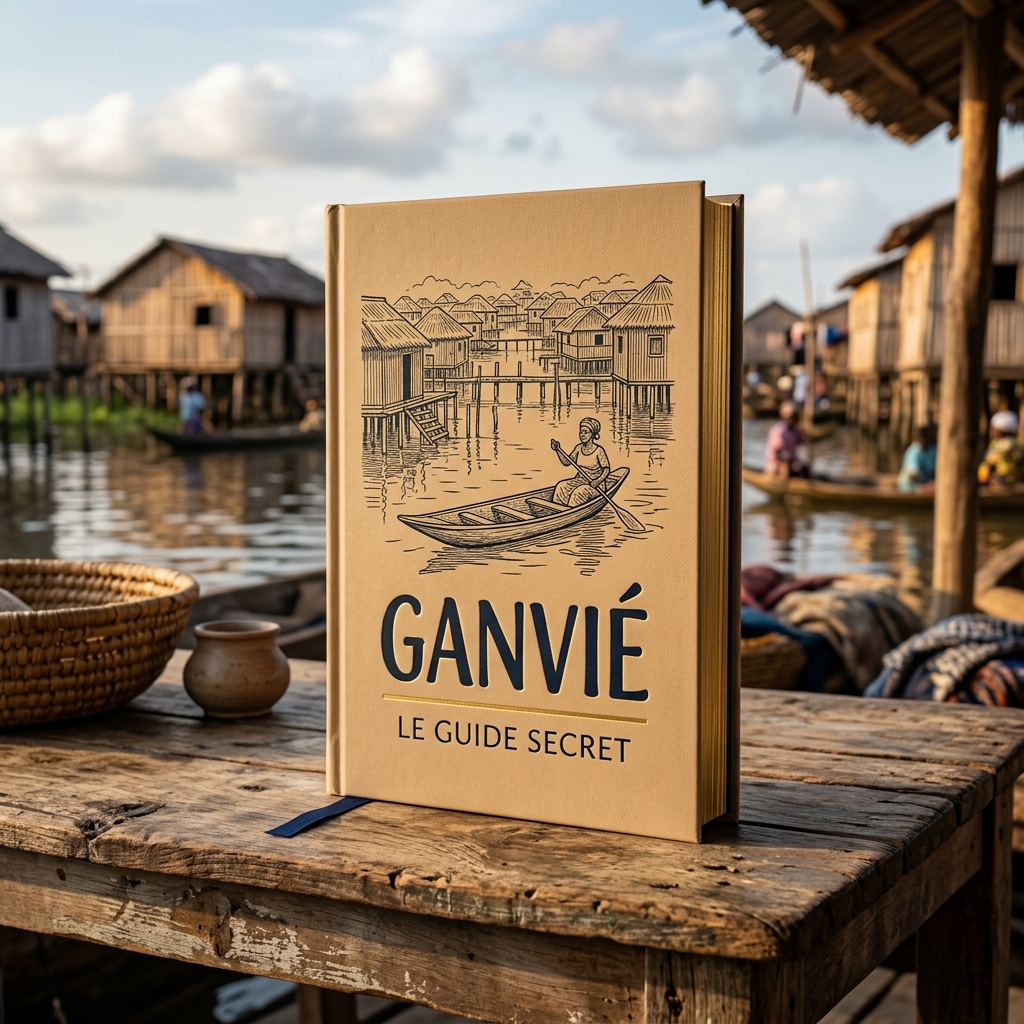
The Secret Guide to Ganvié: Hidden Gems & Etiquette
Discover the authentic Ganvié far from the tourist crowds. Download our exclusive PDF to prepare a respectful and unforgettable visit.
We respect your inbox. No spam.
The Visit Ganvié Team
Written by native Tofinu guides. We have navigated Lake Nokoué since childhood to share the true history of our city, far from tourist traps.
Related articles
Photographing Ganvié: Ethics, Consent & Respecting Image Rights on the Water
Photographing in Ganvié requires tact, warmth, and respect. Learn essential ethics for capturing your boat trip without intruding on the Tofinu community or treating the lake city as an open-air museum.
edgeGanvié in transit: what to do during a long layover in Cotonou
Have a 6 to 12-hour layover at Cotonou airport? Ganvié is within reach. Complete guide to organizing a lightning tour to the stilt city between two flights.