
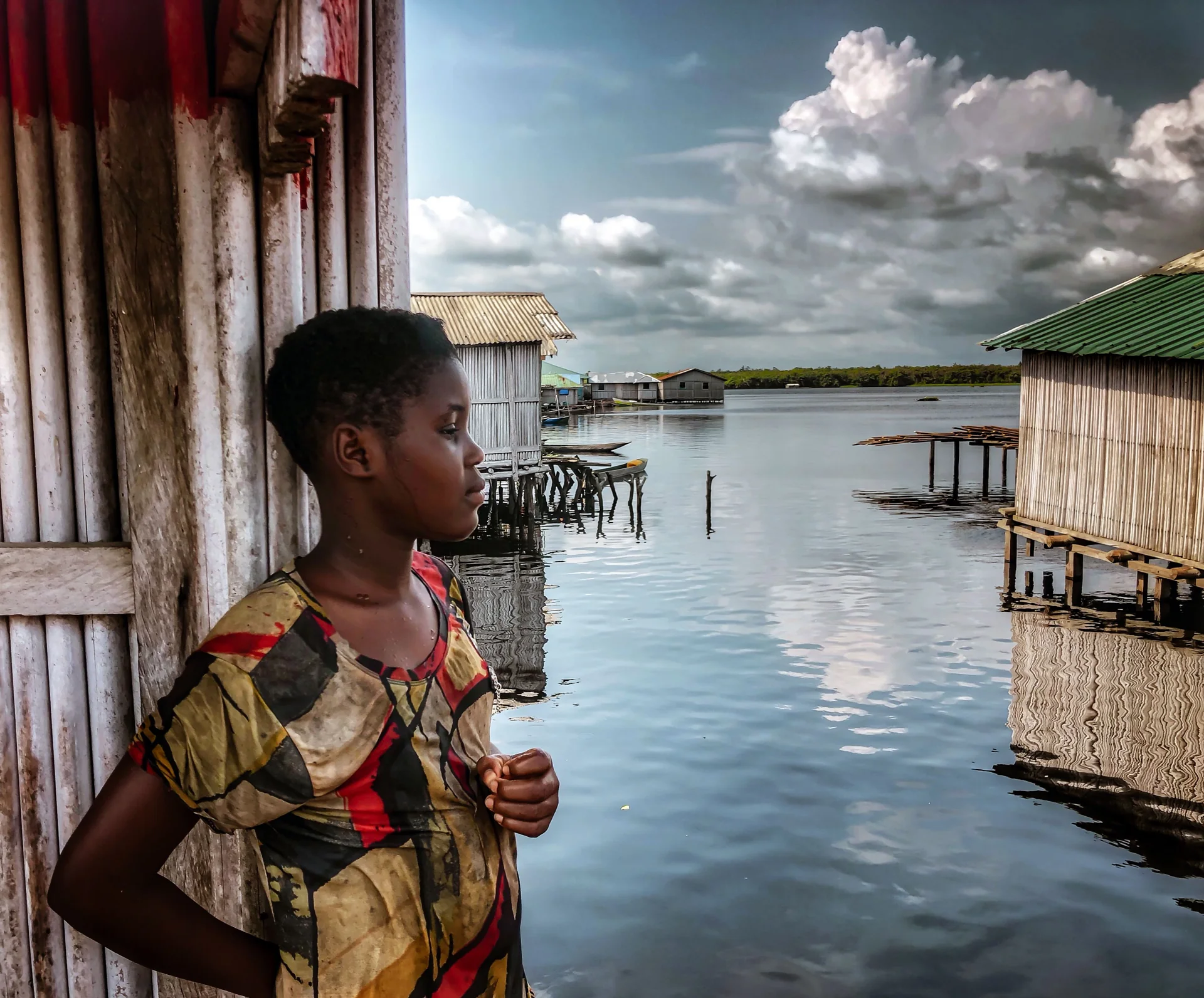
Tips for visiting Ganvié with kids: pirogue safety, child-friendly food, best hours, market discoveries, and packing essentials for a smooth family trip on Lake Nokoué.
Ganvié is the kind of place children remember forever. The pirogue crossing over Lake Nokoué, the houses rising on wooden stilts above the water, the floating market where vendors sell fish and vegetables from their boats — it is the sort of scene that stays in a child's memory long after the photos have been forgotten. Ganvié family travel is not complicated, but it benefits from a little planning.
This guide covers everything you need for a successful visit to Ganvié with kids: safety on the water, what to expect at each age, which activities hold children's attention, and how to handle the practical details that parents always think about.
Is Ganvié safe for children?
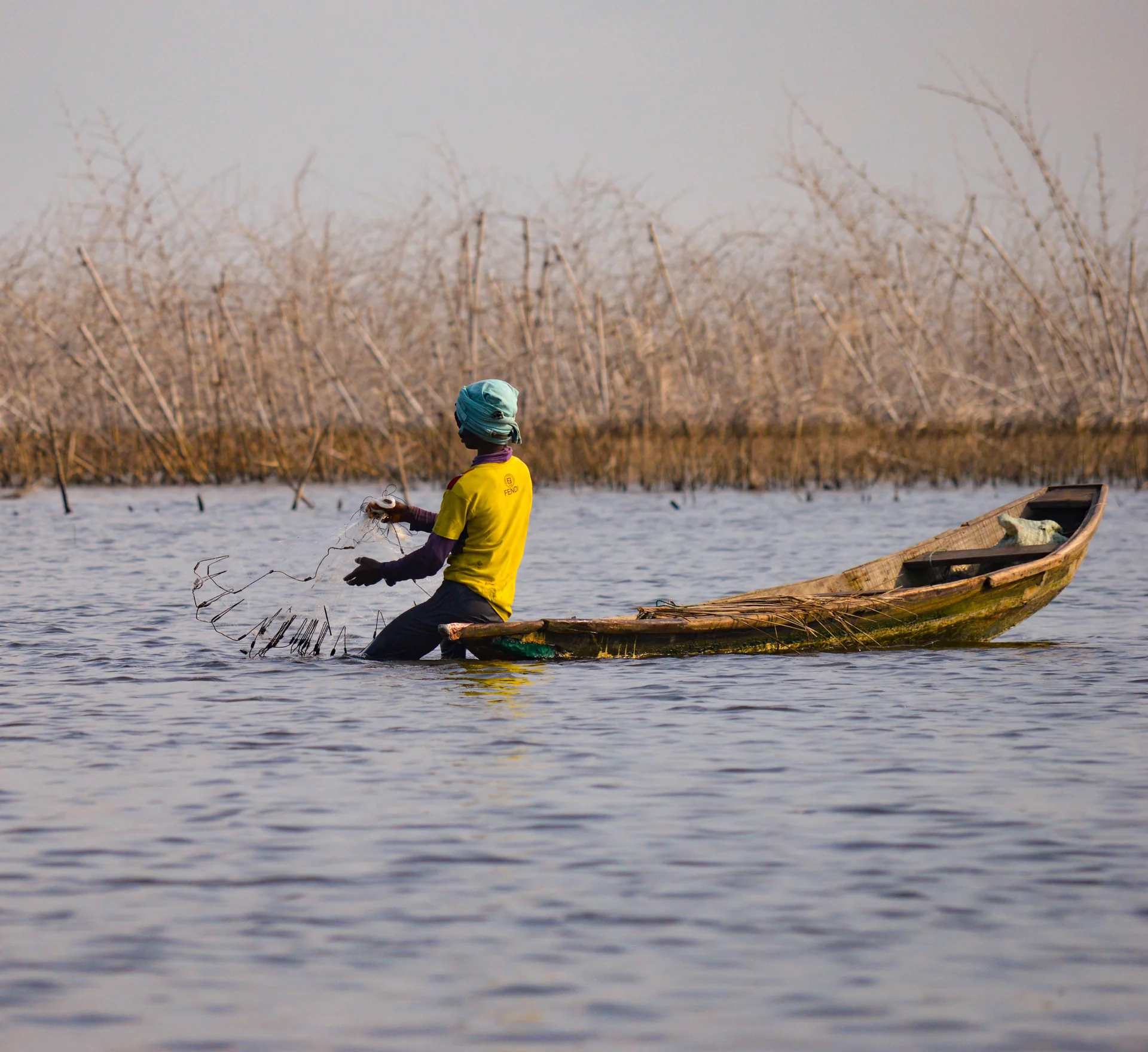 Yes. Ganvié is a safe destination for children of all ages. The pirogue operators use motorized boats that are stable and purpose-built for the shallow waters of Lake Nokoué. Life jackets are standard equipment and available in children's sizes — confirm this when booking, especially for toddlers, as child-sized vests require advance notice at some operators.
The wooden walkways in the village are solid and maintained by the families who live on them. They are not wide pedestrian paths — some are no more than a plank connecting two houses — but they are stable, and children who have been told to walk (not run) navigate them without difficulty.
The main practical risks are not structural. They are environmental: sun exposure over open water is intense, and the combination of heat, humidity, and the excitement of the visit can tire young children faster than expected. Plan around these realities rather than against them.
Pirogue safety for children
The pirogue ride is the highlight of any visit to Ganvié with kids, and with young children it requires a few specific precautions.
Choose a motorized pirogue for shorter travel time — 20 minutes rather than 45 to 60 minutes. Less time on the water means less opportunity for restless children to create problems. The motorized pirogue is also more stable underway.
Position children in the center of the boat, away from the edges. The hull is low to the waterline, and young children instinctively lean over the side to look at the water. A firm hand on their shoulder and a distraction — point out a kingfisher, a pirogue passing nearby, a fisherman casting a net — is more effective than a lecture.
Embarkation and disembarkation at Ganvié require stepping onto a wooden dock from a moving boat. Hold small children by the hand during these transitions. The steps can be wet from lake water. Older children can manage independently but should be told to take it deliberately.
Sun protection during the crossing matters more than most parents anticipate. The lake reflection doubles the effective UV exposure compared to dry land. Apply SPF50+ before departure, reapply if the crossing lasts more than 45 minutes.
Best timing for a family visit
The dry season — November to March — is the most reliable period for a family visit to Ganvié. The skies are clear, the lake is calm, afternoon storms are rare. Mornings are ideal: the floating market is at its most active, the heat is manageable before 10 AM, and children are fresh.
A morning departure from Cotonou around 7 to 7:30 AM reaches the Abomey-Calavi embarcadère around 8 to 8:30 AM (allowing for Cotonou traffic). The pirogue crossing takes 20 minutes. You arrive as the market is entering its most photogenic and lively phase (7:30 to 9:30 AM), spend 1.5 to 2 hours exploring Ganvié, and are back in Cotonou by noon. This schedule works well for families with children under 10.
Avoid the midday slot (11 AM to 2 PM) with young children. The sun is at its most aggressive, there is no shade on the open water, and the market activity has wound down. Children who were energized at 7 AM become difficult by 13h when they are hot, tired, and hungry.
For families with older children and teenagers, a later start (9 to 10 AM) still works well and allows a more relaxed morning. A lunch at the floating restaurant before the return crossing is something older children particularly enjoy.
What children actually enjoy at Ganvié
Children respond to Ganvié in ways that surprise many adults. Here are the specific elements that consistently hold their attention.
The pirogue ride itself. The boat journey is entertainment before the destination even comes into view. Children love the wind, the speed (modest, but felt), the spray from the water. Point out the acadja brushwood parks that appear as you cross the lake — the clusters of sticks marking fish traps that look, to a child, like something from a fairy tale.
The floating market (Azowlissè). The morning market is a maze of pirogues loaded with goods: pyramids of tomatoes, baskets of dried fish, piles of chili peppers, fabric bolts, soap. For children who have only seen supermarkets, the visual density is extraordinary. Let them choose something small to buy — a single fruit, a small bag of akara beignets, a piece of local candy — and watch them discover what it feels like to complete a transaction in a floating market.
The artisan village. Woodcarvers shaping miniature pirogues, women weaving mats from river grass, men working rônier palm trunks. These are hands-on demonstrations of physical skill that hold children's attention better than any museum display, because the process is visible from start to finish.
Spotting everyday life. Ganvié is not a theme park, and children sense that immediately. They notice everything that adults edit out: the child paddling to school in an oversized pirogue, the grandmother repairing a fishing net in the shade, the dog asleep on a wooden platform above the water. Encourage children to watch and ask questions. Their observations often surprise adults.
The floating school. Most Visit Ganvié tours pass by the école flottante, the floating school built on stilts. Seeing that other children study in classrooms above water, arriving by pirogue every morning, is a moment that resonates with children in ways that formal explanations of cultural difference do not. Read more about how it works in our article on the floating school at Ganvié.
Food children will eat
Beninese cuisine is full of flavor and sometimes chili-hot, but there are reliable safe options for young palates.
Rice and beans (riz et haricots) is a gentle, filling staple available everywhere. Fried plantains (alloco) are sweet and almost universally accepted by children. Grilled whole fish from the lake is simple and delicious — tilapia is mild and relatively low in small bones, though supervise young children. Akara beignets (deep-fried black-eyed pea fritters) are sold in the market for 50 to 100 FCFA each and work well as a snack.
The floating restaurant serves a set menu based on the day's catch. Poisson grillé with riz or attiéké (cassava semolina) is the standard offering. If your children are very particular eaters, bring familiar snacks from Cotonou as backup: crackers, nuts, dried fruit. Bottled water and juices are sold at the market and at the restaurant.
Avoid raw vegetables and raw salads during the visit. The Ganvié kitchen is trustworthy, but raw produce washed in lake water is a cautionary tale for unfamiliar digestive systems.
Age-by-age guide
Infants and toddlers (under 3): possible but demanding. The pirogue has no shade and no flat surface for napping. A baby carrier or wrap is essential — strollers cannot navigate wooden walkways or a pirogue. Keep the visit to 1.5 hours maximum. The child will not remember it. The photos are for you.
Ages 3 to 6: the sweet spot for visual stimulation without stamina. They are old enough to be genuinely excited by the pirogue and the market, young enough not to be self-conscious. Keep to the Discovery Tour (2 hours) with a long lunch break.
Ages 7 to 12: the ideal family age for Ganvié. Old enough to walk the walkways independently, ask real questions, retain what they see. The Exploration Tour (3 hours) is perfectly manageable. Involve them in asking the guide questions.
Teenagers: bring a camera or give them one. The visual freedom of Ganvié — the angles, the light, the human scenes — tends to engage teenagers who might otherwise find a "cultural visit" dull. The 3-Village Circuit is appropriate for teenagers who are fit and genuinely curious.
What to bring
- Sun hats for everyone, including adults
- SPF50+ sunscreen, applied before departure and packed for reapplication
- Water — at least one liter per person, more for children
- Life jackets for small children (confirm with your operator that child sizes are available)
- Snacks your children already like, as backup for the unfamiliar cuisine
- Wet wipes and hand sanitizer
- A change of clothes for young children — splashes are inevitable
- Cash in FCFA — no card payments anywhere on the lake
- Insect repellent if you arrive in the early morning or stay to the late afternoon
- No strollers — useless on wooden walkways and impossible in a pirogue. Use a baby carrier
Planning your visit
For families, a guided circuit through Visit Ganvié is the most stress-free option. Our native guides are experienced with family groups and know which activities hold children's attention. They carry life jackets and handle all the embarcadère logistics so you can focus on your children.
For a full overview of transport options and timing, read our complete guide to visiting Ganvié.
Questions fréquentes
Is Ganvié safe for very young children?
What is the minimum age for a visit to Ganvié?
How long should a family visit to Ganvié last?
What food should I bring for my kids?
Can I bring a stroller to Ganvié?
The Secret Guide to Ganvié: Hidden Gems & Etiquette
Discover the authentic Ganvié far from the tourist crowds. Download our exclusive PDF to prepare a respectful and unforgettable visit.
We respect your inbox. No spam.
The Visit Ganvié Team
Written by native Tofinu guides. We have navigated Lake Nokoué since childhood to share the true history of our city, far from tourist traps.
Related articles
From Cotonou Airport (COO) to Ganvié Pier: Transfers, Taxis & Transport Guide
Landing at Cotonou International Airport (COO) and heading directly to the lake stilt village of Ganvié? Discover our comprehensive transport guide, drive times, and taxi fares.
supportGanvié: tourism and visit on Lake Nokoué
Ganvié is Africa's largest stilt village. Between pirogues, floating market, Acadja fishing, and life on stilts, it offers an unforgettable tourism experience on Lake Nokoué. Everything you need to know before your visit.