
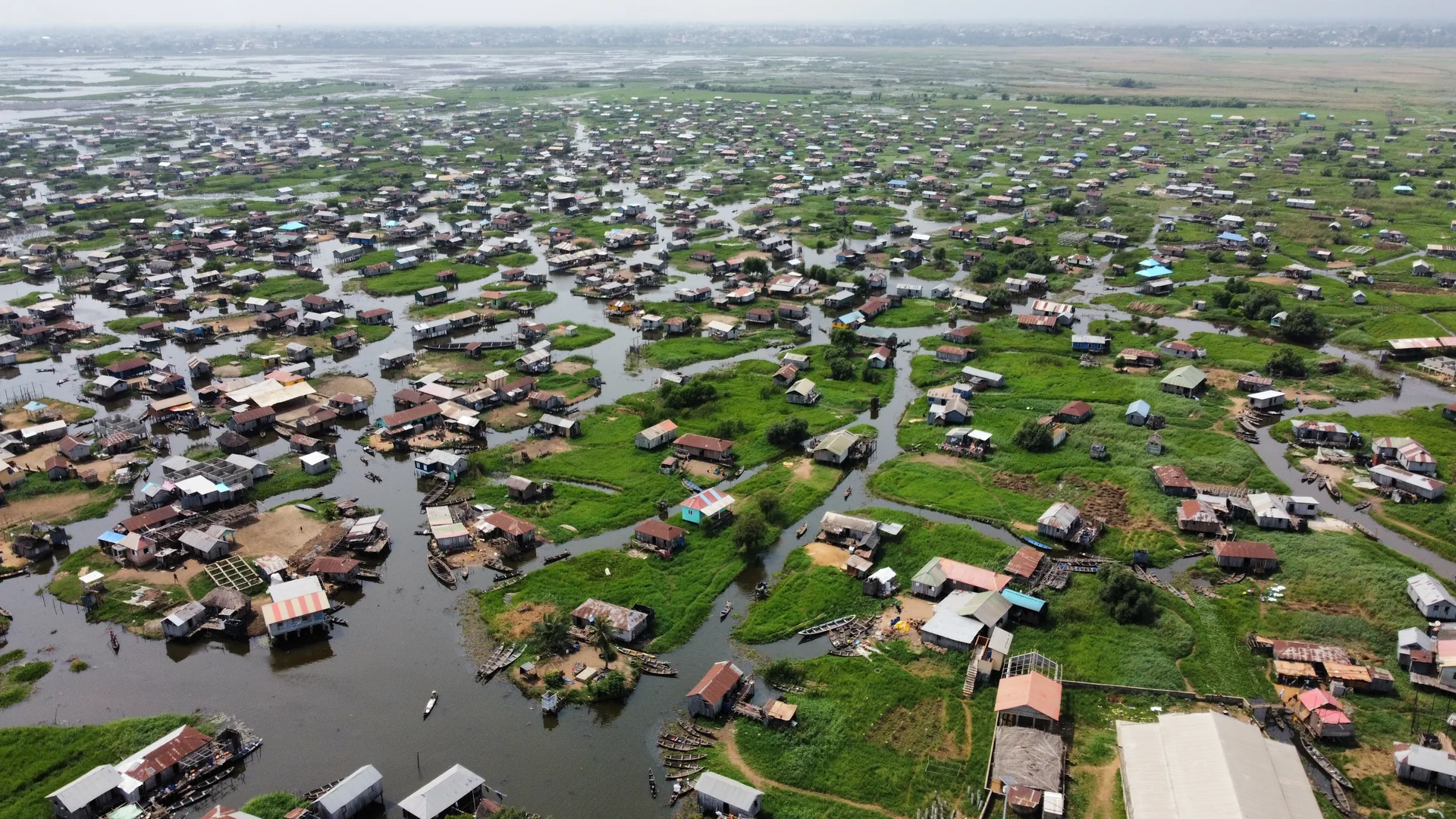
Ganvié has been on UNESCO's tentative list since 1996, but it is not yet a World Heritage site. This widely misunderstood status deserves a clear explanation.
Type "Ganvié UNESCO" into Google and you will get a confusing mix of answers. Some sites claim Ganvié is a World Heritage site. Others mention a listing in progress. Others simply ignore the topic entirely.
The reality is more nuanced, and it deserves to be stated clearly.
Ganvié has been on the UNESCO tentative list since 1996. This means Benin has proposed the lake city as a candidate, but it has not yet been officially inscribed as a World Heritage site. This distinction is crucial to understanding where the process really stands.
What is the UNESCO tentative list?
The tentative list is the first step in the World Heritage listing process. Each UNESCO member state establishes an inventory of sites it considers to have outstanding universal value and plans to nominate for inscription.
This list is not an official recognition. It is a statement of intent. Benin, by placing Ganvié on its tentative list in 1996, signaled that it considered the lake city a potential World Heritage candidate. But between tentative listing and obtaining the label, the road is long and demanding.
To be inscribed, a site must satisfy at least one of UNESCO's ten selection criteria, demonstrate its integrity and authenticity, benefit from adequate legal protection, and submit a complete nomination dossier evaluated by ICOMOS (International Council on Monuments and Sites). None of these steps have yet been completed for Ganvié.
Ganvié on the tentative list: what it means concretely
Ganvié's inclusion on Benin's tentative list means that the Beninese government has identified the lake city as a site of potential universal heritage value. The submission dates from 1996 and is registered under reference 2140.
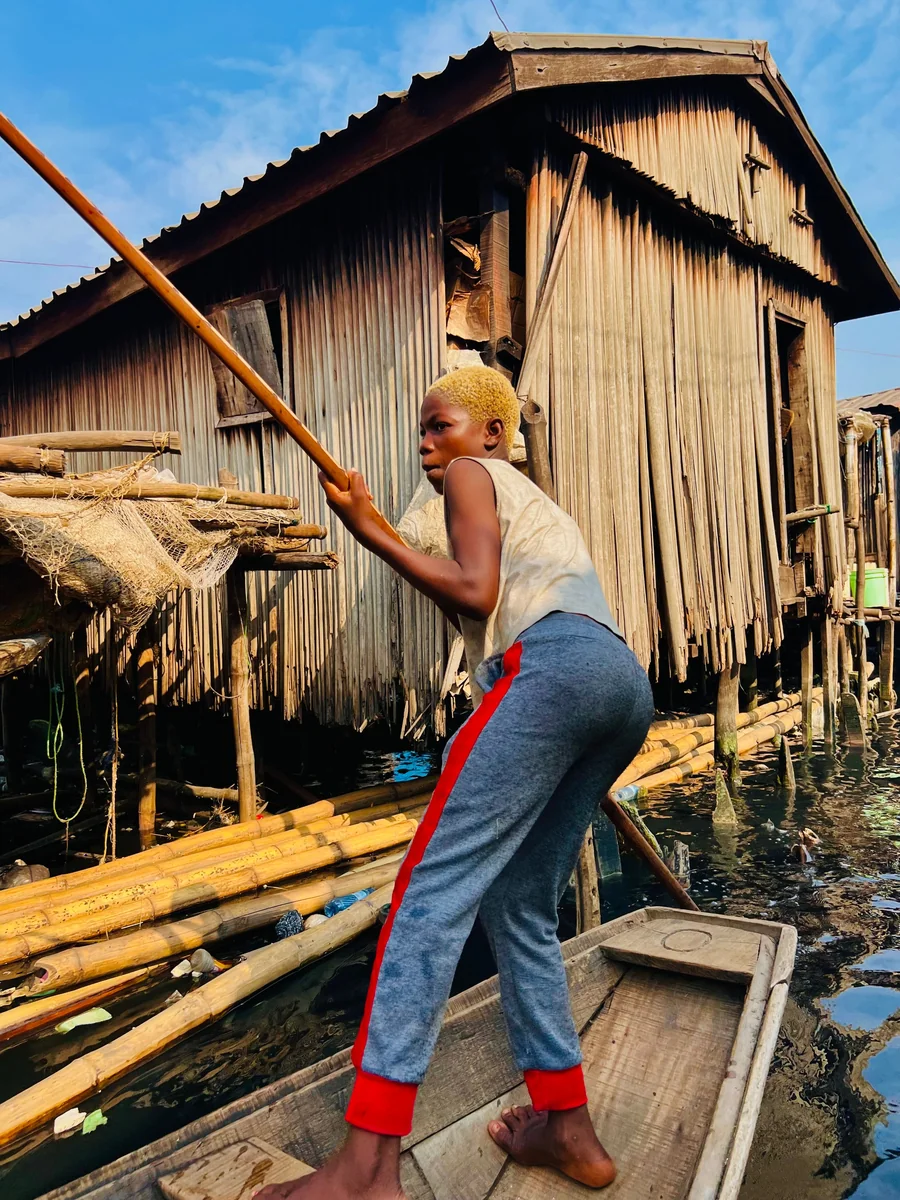
The official description highlights several aspects of Ganvié: its unique stilt architecture, traditional Tofinu social organization, exceptional adaptation to the lake environment, and cultural importance for Benin and West Africa.
But since 1996, no major progress has been recorded. The site remains on the tentative list without a complete formal nomination being submitted to the World Heritage Committee. This situation is not unusual: many sites around the world stagnate on national tentative lists due to lack of resources, political will, or adequately prepared dossiers.
Why Ganvié deserves listing
The arguments for Ganvié's listing are solid and rest on several UNESCO criteria.
Criterion iii: bear a unique testimony to a cultural tradition. Ganvié is Africa's largest stilt village, representing a form of habitat and social organization without equivalent on the continent. Tofinu culture, with its stilt construction techniques, traditional acadja fishing, and fluvial economy, constitutes living testimony to exceptional human adaptation.
Criterion v: be an outstanding example of a traditional human settlement. Ganvié, with its canals, public spaces on water, and clan-based organization, is a remarkable example of human settlement in harmony with a lake environment. The relationship between the Tofinu and Lake Nokoué, spanning over three centuries, illustrates a lasting interaction between a community and its ecosystem.
Criterion vii: contain superlative natural phenomena. The spectacle of Ganvié, thousands of stilt houses rising from the waters of Lake Nokoué, the floating market at dawn, pirogues gliding through the canals, possesses undeniable aesthetic quality that also justifies recognition.
The obstacles to World Heritage status
If the arguments are strong, the obstacles are equally real.
The first is lack of resources. Preparing a complete UNESCO nomination dossier is a long and costly process requiring multiple areas of expertise: architectural, anthropological, environmental, legal. Benin, like many African countries, must prioritize its limited resources among many potential sites: the Royal Palaces of Abomey (already listed), Ouidah, Pendjari National Park, and others.
The second obstacle is Ganvié's conservation status. UNESCO requires candidate sites to demonstrate effective protection measures. Yet Ganvié faces significant environmental challenges: pollution of Lake Nokoué, population pressure, uncontrolled urbanization, declining water quality. Listing assumes these problems are being addressed.
The third obstacle is the absence of a clear management plan. A candidate site must have a management document defining conservation rules, tourism development, and local community involvement. This plan does not yet exist for Ganvié.
Why the confusion is widespread
Several reasons explain why so many sources mistakenly claim Ganvié is a UNESCO site.
The first is confusion between "tentative list" and "World Heritage inscription." Many websites, travel guides, and blog articles use the two terms interchangeably, without understanding the difference.
The second is the reputation effect. Ganvié is so well known, so iconic, that it seems obvious it should be listed. The implicit reasoning is: "a site this remarkable cannot NOT be on UNESCO." But the reality of the listing process is more complex than simple merit.
The third reason is the lack of official communication. The Beninese government has not made a clear, recent statement on the status of Ganvié's UNESCO dossier. This silence leaves room for rumors and approximations.
Climate change as an urgency factor
The rising waters of Lake Nokoué, linked to climate change and shifting coastal currents, directly threaten Ganvié. Entire neighborhoods are regularly flooded, stilts must be raised, families must abandon their homes.
This environmental context gives new urgency to UNESCO listing. Not only does Ganvié deserve recognition, but this recognition could unlock international funding dedicated to its preservation. Several UNESCO sites worldwide benefit from conservation programs supported by the international community, and inscription would facilitate access to these resources.
Recent initiatives and hope for progress
In recent years, positive signs have emerged. Beninese civil society, through local associations and intellectuals, has mobilized to revive the dossier. Expert missions have been discussed, contacts established with ICOMOS.
The Beninese government has also shown renewed interest in cultural heritage, notably through the restitution of art works and the rehabilitation of historical sites. In this context, Ganvié's dossier could benefit from increased attention.
But for now, the status has not changed. Ganvié remains on the tentative list, awaiting a complete formal nomination. The residents of the lake city continue their daily life on the water, with the UNESCO label not being their immediate priority.
What listing would change for Ganvié
If Ganvié obtained UNESCO listing, the consequences would be multiple and not exclusively positive.
On one hand, the UNESCO label would bring increased international visibility, conservation funding, reinforced legal protection, and a management framework that could help address environmental problems. Tourism would increase, bringing additional revenue to the community.
On the other hand, listing would impose constraints: strict regulation of construction, limitation of certain economic activities, compliance with international standards. Not all Ganvié residents view listing favorably, fearing their way of life could be placed under the supervision of decisions made far from the lake.
The central question is therefore one of governance: who will decide Ganvié's future? International institutions? The Beninese state? Local communities? A successful listing is one that places residents at the center of the process.
Ganvié compared to other listed lake settlements
A broader perspective helps understand both the potential and the challenge. Other inhabited lake or stilt-village sites around the world have sought or obtained UNESCO status, with lessons directly applicable to Ganvié.
Ha Long Bay, Vietnam (inscribed 1994): UNESCO recognized the bay's outstanding geological and natural beauty, while acknowledging the human presence on its waters. Vietnam framed the site as a living cultural landscape rather than a frozen monument. The approach worked. Lesson for Ganvié: the argument of daily life on the water is a strength, not an obstacle.
Prehistoric stilt house settlements around the Alps (inscribed 2011): a serial site spanning Switzerland, Austria, France, Germany, Italy, and Slovenia, recognized on the basis of archaeological evidence of prehistoric lake settlements. This demonstrates that UNESCO explicitly recognizes the universal value of stilt-over-water cultures — even ancient ones. A living, contemporary stilt village is arguably more remarkable.
Floating villages of Southeast Asia: sites in Cambodia (Tonlé Sap), Myanmar, and Laos face similar candidacy questions. Their trajectories show that the cultural uniqueness argument is credible but must be coupled with a realistic management plan.
The most useful comparison for Benin is probably the Royal Palaces of Abomey, inscribed in 1985 — the only Beninese site currently on the World Heritage List. This proves that the national technical capacity to prepare and succeed with a UNESCO dossier exists within Benin. The challenge is applying that capacity to Ganvié, a much more complex and living site.
A necessary clarification
Ganvié is not a UNESCO World Heritage site. It has been on Benin's tentative list since 1996, a first step that has not yet led to full inscription. The merit of listing is real, but the path is long and full of obstacles that mere merit cannot overcome.
This clarification takes nothing away from Ganvié's exceptional value. The lake city remains one of the most fascinating places in West Africa, listed or not. The label may come one day. In the meantime, Ganvié continues to exist, to vibrate, and to welcome visitors, carried by the waters of Lake Nokoué and the resilience of its people.
Questions fréquentes
Is Ganvié a UNESCO World Heritage site?
What is the difference between the tentative list and World Heritage inscription?
Which UNESCO criteria could Ganvié meet?
Why do so many websites claim Ganvié is a UNESCO site?
What would it take for Ganvié to actually be inscribed?
The Secret Guide to Ganvié: Hidden Gems & Etiquette
Discover the authentic Ganvié far from the tourist crowds. Download our exclusive PDF to prepare a respectful and unforgettable visit.
We respect your inbox. No spam.
The Visit Ganvié Team
Written by native Tofinu guides. We have navigated Lake Nokoué since childhood to share the true history of our city, far from tourist traps.
Related articles
Voodoo & Lake Spirituality in Ganvié: Water Shrines, Tofinu Deities & January 10th Rituals
Ganvié is not only an architectural marvel — it is a sacred territory rooted in Voodoo spirituality. Discover the intimate bond between the Tofinu people and the guardian spirits of Lake Nokoué.
edgeGanvié stilt architecture: techniques, heritage and preservation challenges
Ganvié's stilt architecture is a living heritage built on ancestral techniques transmitted orally since the 18th century. Analysis of materials, construction methods, the spatial organization of this lake city, and the contemporary challenges threatening this unique building knowledge.