
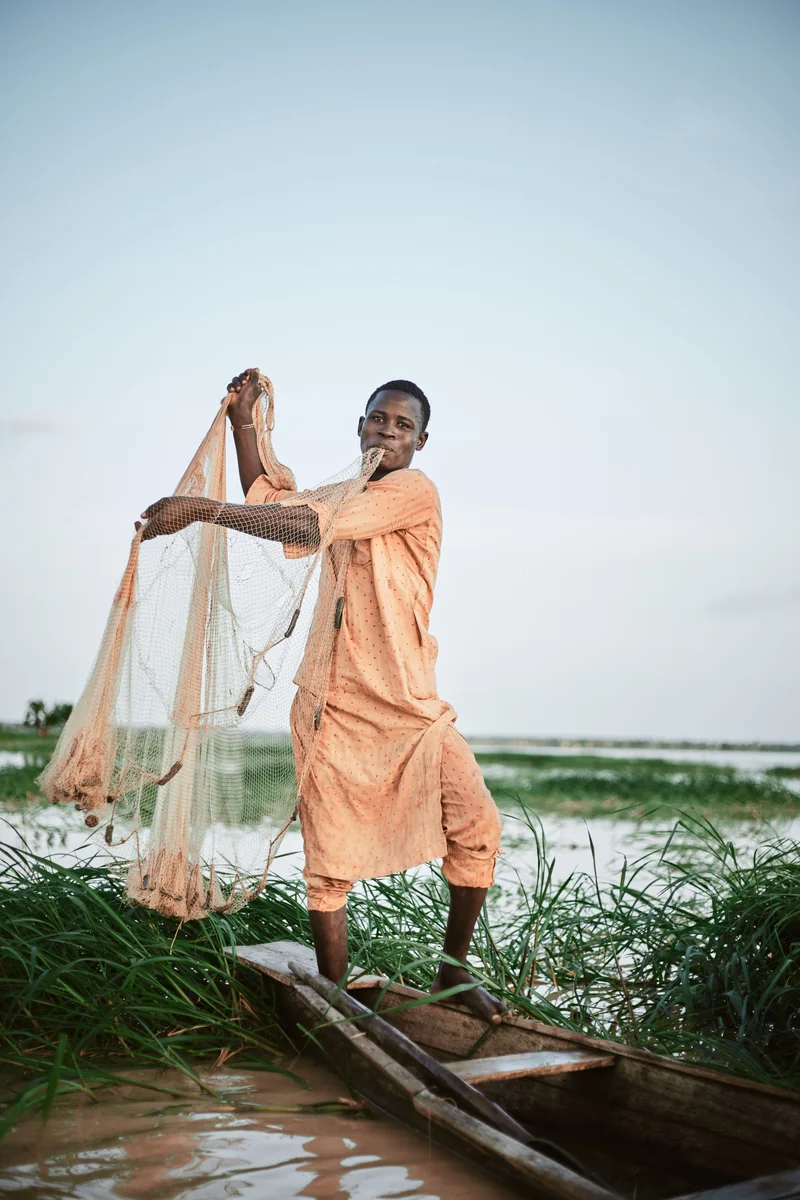
Ganvié is not only an architectural marvel — it is a sacred territory rooted in Voodoo spirituality. Discover the intimate bond between the Tofinu people and the guardian spirits of Lake Nokoué.
To understand Ganvié's true soul, one must look beyond lines of wooden stilts and listen to the water's quiet rhythm. In Tofinu cosmology, Lake Nokoué is not merely a body of water or a fishing ground: it is a sacred territory, a living entity inhabited by guardian spirits (Voodoo) that enabled ancestors to survive and escape 17th-century Dahomey slave raids.
Even today, beneath the surface of modern motorized boats, Voodoo spirituality shapes daily existence on the lake: from blessing dugout canoes before fishing trips to magnificent boat parades during Benin's National Voodoo Day on January 10th.
In this cultural immersion guide, we invite you to step into the sacred realm of West Africa's largest stilt village.
- Sacred Origins: The Tofinu view Lake Nokoué as a divine natural sanctuary granted to preserve their freedom.
- Core Deities: Mami Wata (Water Deity), Dan (Sacred Serpent), Legba (Crossroads Guardian), and Zangbeto (Night Watchmen).
- January 10th Festival: A grand annual boat procession where decorated canoes celebrate lake heritage through song and rhythm.
1. The Spiritual Genesis of Ganvié: Water as a Divine Shield
Ganvié's history is inextricably linked to its spiritual dimension. In the 17th century, facing Dahomey royal cavalry hunting coastal populations for the transatlantic slave trade, King Agbodogbe and Tofinu ancestors invoked water deities.
According to oral tradition, Dahomey religious law forbade royal warriors from fighting on open water or crossing sacred aquatic zones under threat of divine wrath. By building their village on stilts in the middle of Lake Nokoué ("Gan-vié" in Fon meaning "We are saved in unity"), the Tofinu transformed the lake into an impassable spiritual fortress.
Every channel in Ganvié retains the memory of this sacred covenant sealed between humanity and water.
2. The Pantheon of Lake Nokoué Deities
As you navigate through the village, several prominent Voodoo deities safeguard the community:
A. Mami Wata (Queen and Deity of the Waters)
A captivating and revered deity, Mami Wata embodies the generative and mysterious power of water. Ganvié fishermen offer flowers, perfumes, and sweet fruits to the water before casting nets or building Acadja fish parks. She grants abundant catches and protects rowers from sudden lake storms.
B. Dan (The Sacred Serpent of Prosperity)
Dan represents the rainbow, life's continuity, and wealth. Inside family stilt compounds, clay shrines adorned with serpent motifs are dedicated to Dan to attract economic prosperity from the fish trade.
C. Legba (Guardian of the Waterways)
Positioned at channel intersections and neighborhood entrances, clay mounds coiffed with thatch and anointed with palm oil represent Legba. He wards off navigation accidents and negative energies.
D. The Zangbeto (Guardians of the Night)
The Zangbeto (traditional straw-covered masks) serve as traditional night watchmen for the Tofinu people. Capable of dancing on water and spinning rapidly, they maintain peace and protect stilt properties after dark.
3. Stilt Shrines: Recognizing & Respecting Sacred Sites
Along the waterways, you will notice distinct wooden structures surrounded by woven bamboo fences and decorated with bright white, red, or yellow flags.
- These are Voodoo-Zangbeto-Kpamè (initiatory shrines and sanctuaries).
- Dried palm fronds (Azan) woven across entrance channels signal restricted access for non-initiates.
- Golden Visitor Rule: Never touch offering posts in the water, and always ask your certified native guide for permission before pointing camera lenses toward spiritual shrines.
National Voodoo Day on January 10th in Ganvié
Every year, January 10th is a national public holiday in Benin celebrating traditional spiritual heritage. While Ouidah hosts beach ceremonies, Ganvié offers the country's most enchanting spectacle: a massive water procession featuring over one hundred decorated canoes sailing across Lake Nokoué. Priestesses of Mami Wata dressed in white linen sing and dance to sacred drums onboard.
4. Daily Rituals & Harmony with Nature
In Ganvié, spirituality is not confined to annual festivals — it quietly weaves into daily lake life:
- Morning Libation: Before pouring fuel or dipping a paddle, boat drivers pour a few drops of water or local palm spirit (Sodabi) onto the canoe bow as a tribute to ancestors.
- Rest Days for the Lake: Tofinu customs observe designated rest days where large-scale commercial fishing halts to allow fish populations to regenerate under spiritual protection.
5. Experience Authentic Heritage with VisitGanvie.com
When booking your tour on VisitGanvie.com, you are accompanied by a certified native guide from Ganvié's ancestral families.
Your guide will share founding histories with authenticity, decode canoe carvings, and introduce you to local cultural custodians for a deeper understanding of Voodoo heritage.
Exploring Ganvié through its spiritual traditions connects you directly with the resilience and majesty of the Tofinu people!
The Secret Guide to Ganvié: Hidden Gems & Etiquette
Discover the authentic Ganvié far from the tourist crowds. Download our exclusive PDF to prepare a respectful and unforgettable visit.
We respect your inbox. No spam.
The Visit Ganvié Team
Written by native Tofinu guides. We have navigated Lake Nokoué since childhood to share the true history of our city, far from tourist traps.
Related articles
Ganvié stilt architecture: techniques, heritage and preservation challenges
Ganvié's stilt architecture is a living heritage built on ancestral techniques transmitted orally since the 18th century. Analysis of materials, construction methods, the spatial organization of this lake city, and the contemporary challenges threatening this unique building knowledge.
edgeGanvié and climate change: rising waters of Lake Nokoué
Rising water levels on Lake Nokoué, accelerated by climate change, directly threaten Ganvié and its stilt dwellings. Assessment of the impacts and the solutions being implemented.