
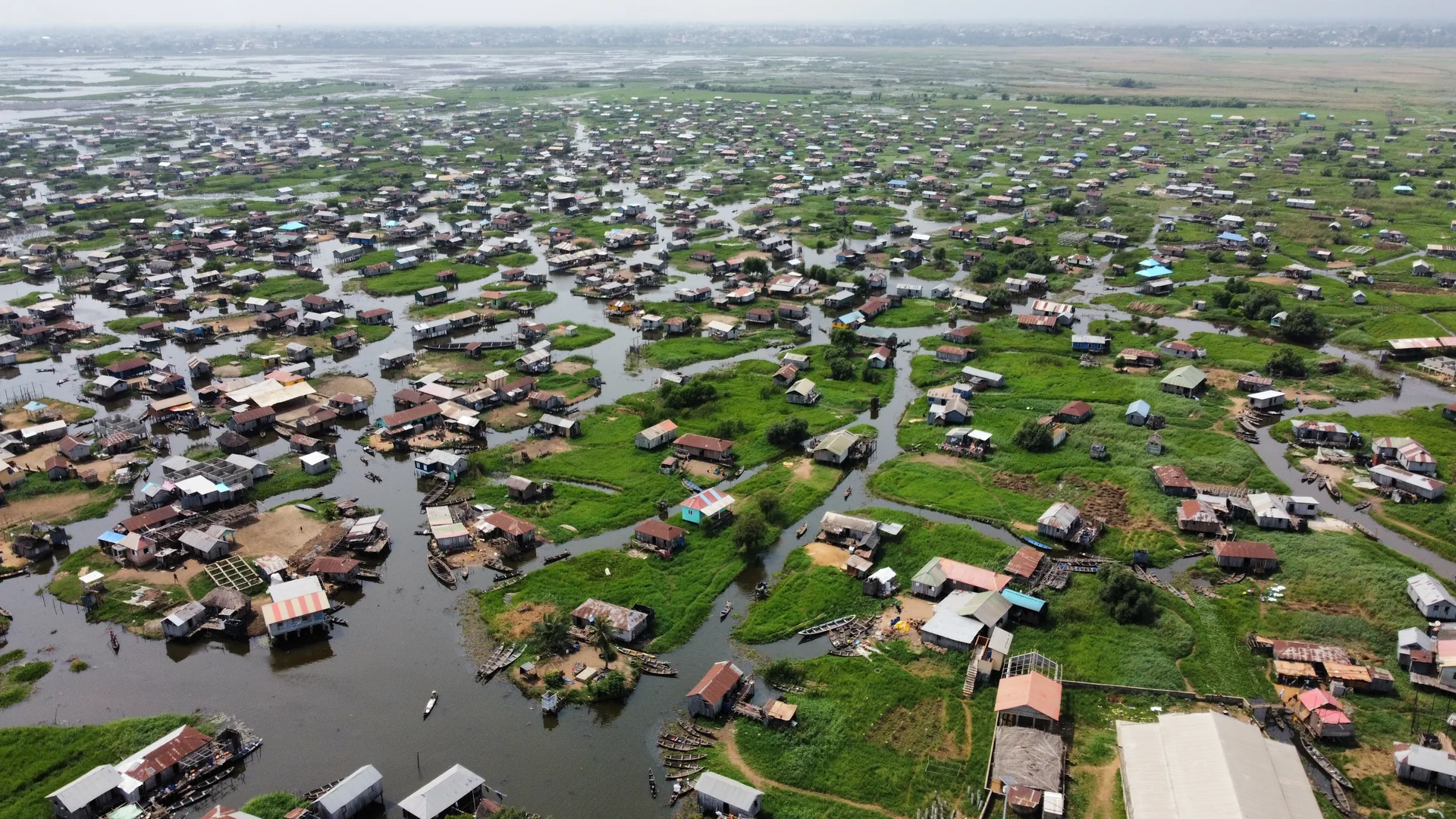
50 real traveler questions about Ganvié: transport, prices, safety, accommodation, best time. Clear, up-to-date answers.
Transport and access
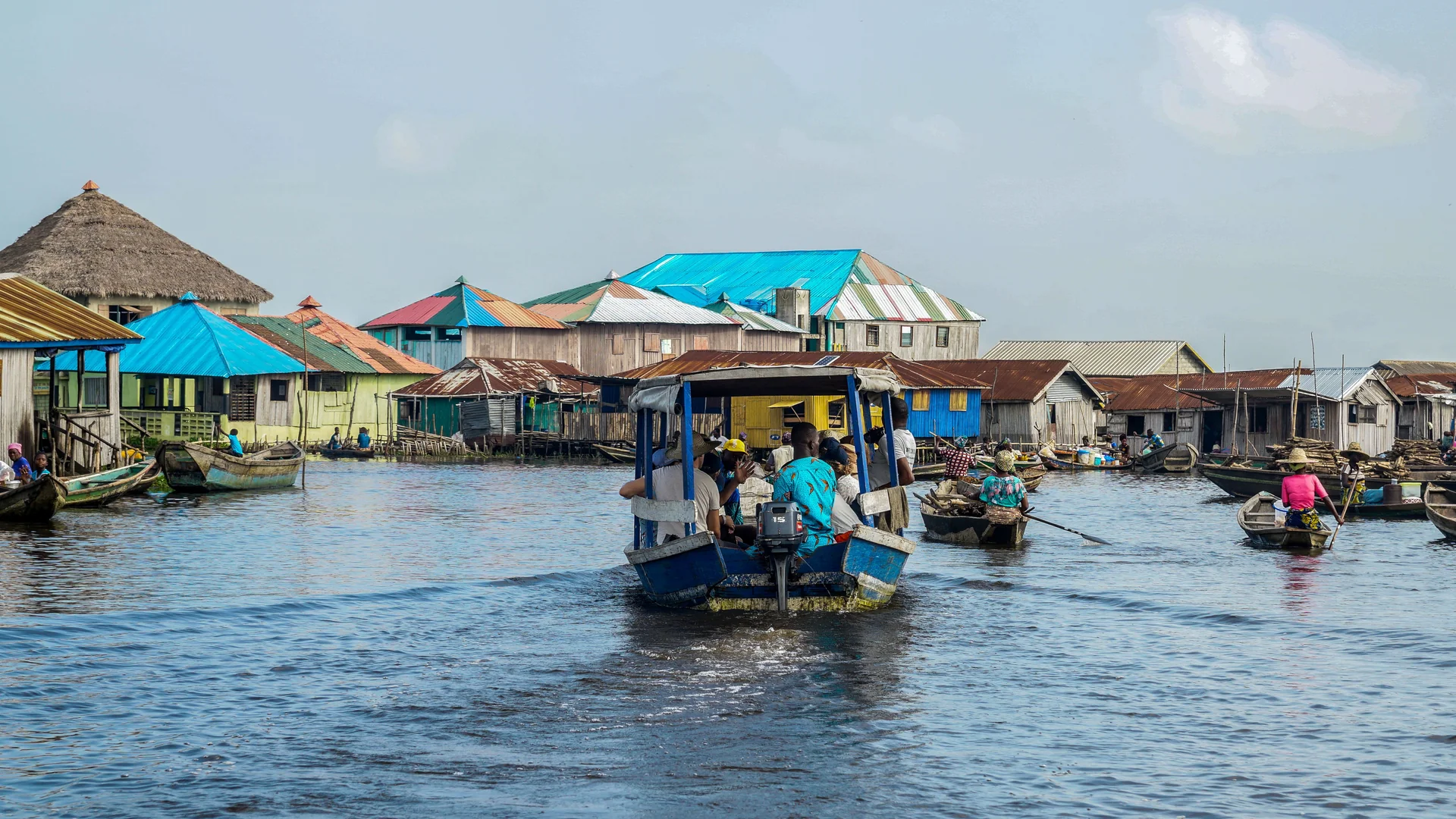 How to get to Ganvié from Cotonou?
Take a shared taxi (3,000-5,000 FCFA) or private taxi (10,000-15,000 FCFA) to the Abomey-Calavi pier, then a motorized pirogue (20-25 min). See our complete guide.
How to get to Ganvié from Cotonou?
Take a shared taxi (3,000-5,000 FCFA) or private taxi (10,000-15,000 FCFA) to the Abomey-Calavi pier, then a motorized pirogue (20-25 min). See our complete guide.
How long does it take to reach Ganvié? 1h15 to 1h30 from Cotonou, depending on transport choice.
Can I visit Ganvié without a guide? Yes, but a guide is strongly recommended to understand the city.
Are there public buses to Ganvié? No, you need to combine road taxi and pirogue. No direct bus.
What is the pirogue crossing price? From 30,000 to 80,000 FCFA round trip depending on group size.
Should I book the pirogue in advance? Recommended in high season (December-February).
Prices and budget
How much does a Ganvié visit cost? From 30,000 FCFA (budget) to 100,000 FCFA (overnight). See our prices page.
Do I need cash? Yes, there are no ATMs on the lake. Withdraw in Cotonou before.
Are prices negotiable? A 10-15% margin is possible, especially off-season.
How much is a guide? 10,000 to 15,000 FCFA for half a day.
Accommodation
Can I sleep in Ganvié? Yes, two stilt lodges: Chez Roger (25,000-35,000 FCFA) and Chez Monique (35,000-50,000 FCFA). See accommodation.
Should I book in advance? Yes, especially in high season. Rooms are limited.
Is there electricity? Solar power, available until about 10 PM. Bring a power bank.
Is there hot water? Bucket shower with hot water on request.
Do lodges have mosquito nets? Yes, all beds are equipped.
Best time
When to visit Ganvié? November to March, dry season. See our season guide.
Can I visit during rainy season? Yes, the market remains active. Bring a raincoat.
What is the best time of day? Early morning (6-8 AM) for the floating market.
Safety and tips
Is Ganvié safe? Yes, the city is peaceful. Residents are welcoming.
Are vaccinations required? Same recommendations as Benin: yellow fever mandatory.
Is there a drowning risk? No, pirogues are stable and life jackets provided.
Can I visit Ganvié with children? Yes, children love the pirogue and market.
What should I bring? Hat, sunscreen, water, mosquito repellent, camera, cash.
Food
Can I eat in Ganvié? Yes, floating restaurant with grilled fish, tilapia, shrimp. 5,000-7,500 FCFA.
Are there vegetarian options? Wagashi (grilled cheese) and attiéké are available.
Can I drink lake water? No, bring bottled water. Lodges provide it.
What to see
What to see in Ganvié? Floating market, canal tour by pirogue, stilt houses, artisans, acadja fishing.
How long to visit Ganvié? 3 hours for an express visit, a full day to experience it properly. An overnight stay is strongly recommended.
Can you explore Ganvié on foot? Partially, via the wooden walkways between houses. Most of the village is explored by pirogue.
Is there a market every day? Yes, but the market is most active early morning (5-8 AM) and on main market days (typically Wednesday and Saturday).
Culture and history
Who are the Tofinu people? The Tofinu are the founding ethnic group of Ganvié. They fled the slave-raiding armies of the Dahomey kingdom in the 17th century by taking refuge on Lake Nokoué, where Dahomey warriors could not follow them for spiritual reasons.
Why was Ganvié built on water? To escape enslavement. King Agbodogbé reportedly led his people onto the lake after learning that a deity forbade Dahomey soldiers from crossing water to take captives. See our article on Tofinu history.
What is an acadja? A traditional Tofinu fish park: branches planted into the lake bed to attract and retain fish. An ancestral technique still in active use today.
Do people speak English in Ganvié? French is the school and commercial language. Some guides and younger residents speak English. The mother tongue remains Tofinu (or Goun), a Fon dialect.
Is Ganvié a UNESCO World Heritage site? It has been on UNESCO's World Heritage tentative list since 1996, but the final designation has not been achieved yet.
Photography
Can you photograph freely in Ganvié? Yes, but with respect for residents. Always ask permission before photographing individuals, especially inside their living spaces.
What is the best time for photography? Early morning (6-8 AM) for golden light and market activity. Sunset is also very photogenic from the lake.
Do you need to pay artisans to photograph them? A contribution is appreciated if you spend time in a workshop. 1,000 to 2,000 FCFA is a welcome gesture.
What camera gear to bring? A wide-angle lens for the canals, a telephoto for birds and market scenes at a distance. A tripod is impractical in a pirogue.
Are drones allowed at Ganvié? Contact local authorities before flying. Drone use is not systematically regulated at Ganvié but may disturb residents. Ask your guide for current local guidance.
Responsible and ethical travel
How do you travel ethically in Ganvié? Book through operators who employ native guides, buy directly from local artisans, and avoid behavior that disrupts residents' daily lives.
Should you give money directly to children? No. Direct gifts to children can encourage school absenteeism. If you want to contribute, ask your guide about local community projects.
Can you buy sustainable souvenirs at Ganvié? Yes: carved miniature pirogues, palm fiber baskets, Tofinu woven cloth. These purchases go directly to local artisans.
Does tourism benefit Ganvié residents? When properly managed, yes. It creates income for guides, artisans, restaurant owners, and guesthouse hosts. Poorly managed tourism generates disruption without community benefit.
Booking and logistics
Should you book in advance? Recommended, especially December to February (high season). In low season you can arrive without a booking, but a certified guide is not guaranteed without prior arrangement.
Can you cancel a booking? Yes, full refund up to 48 hours before the visit. See our complete cancellation policy.
Does Visit Ganvié offer private tours? Yes, private pirogue with exclusive guide. Ideal for families, couples or groups who want their own pace and itinerary.
How do you book from abroad? Via our website, with international card payment accepted. You receive email confirmation with your assigned guide's details.
Daily life
How many people live in Ganvié? Between 20,000 and 30,000 residents by most estimates. The village is one of the most populous communities on Lake Nokoué.
How do residents earn a living? Primarily through fishing (acadja and traditional fishing), trade at the floating market, artisanship, and increasingly, tourism.
Do children really go to school by pirogue? Yes. The floating school is only accessible by pirogue. Children learn to paddle from a very young age.
Are there health facilities in Ganvié? A community health centre exists on the lake. For significant medical care, residents travel to Abomey-Calavi or Cotonou by motorized pirogue.
Book your visit
Guided tour with native Tofinu guide, private pirogue, fixed prices.
The Secret Guide to Ganvié: Hidden Gems & Etiquette
Discover the authentic Ganvié far from the tourist crowds. Download our exclusive PDF to prepare a respectful and unforgettable visit.
We respect your inbox. No spam.
The Visit Ganvié Team
Written by native Tofinu guides. We have navigated Lake Nokoué since childhood to share the true history of our city, far from tourist traps.
Related articles
Tipping in Ganvié & Benin: How Much Should You Tip Tour Guides and Boat Captains?
Should you tip during your tour of Ganvié? Discover local customs, recommended FCFA tip amounts for guides and boat drivers, and how to express gratitude respectfully.
supportSafety & Health in Ganvié: Mosquitoes, Life Vests & Family Travel Guide
Visiting a water stilt village raises natural questions about boat safety, mosquitoes, and health. Discover expert safety tips for traveling to Ganvié with complete peace of mind.