
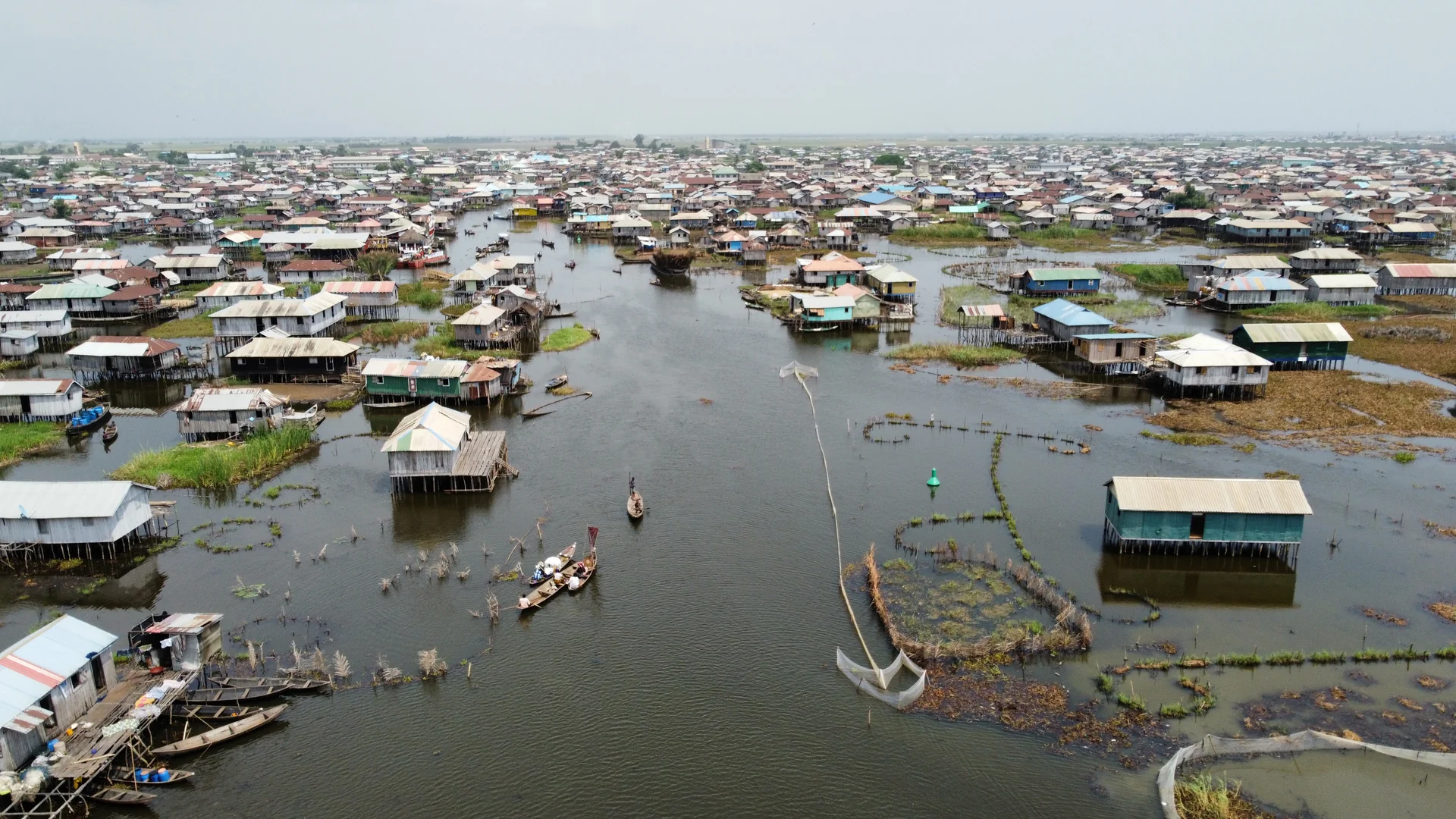
The best time to visit Ganvié is November to March. But the real answer depends on what you want: first-timers should choose the dry season; those seeking quiet and value should look at August and September.
Every photo you've seen of Ganvié was taken in good light. Pirogues on still water, the floating market at dawn, stilt houses reflected in the lake. What those photos don't show is which month the photographer was there, what the humidity felt like, or whether they had the place to themselves or were sharing it with three other tour boats.
The short answer: November to March is the best time to visit Ganvié for a first trip. But that answer misses half the picture. Ganvié in August offers something the dry season never can. And Ganvié during the main rainy season, if you go in knowing what to expect, has its own kind of beauty.
This guide breaks it down by month so you can match the season to the experience you're looking for.
Understanding Ganvié's climate: the lake changes everything
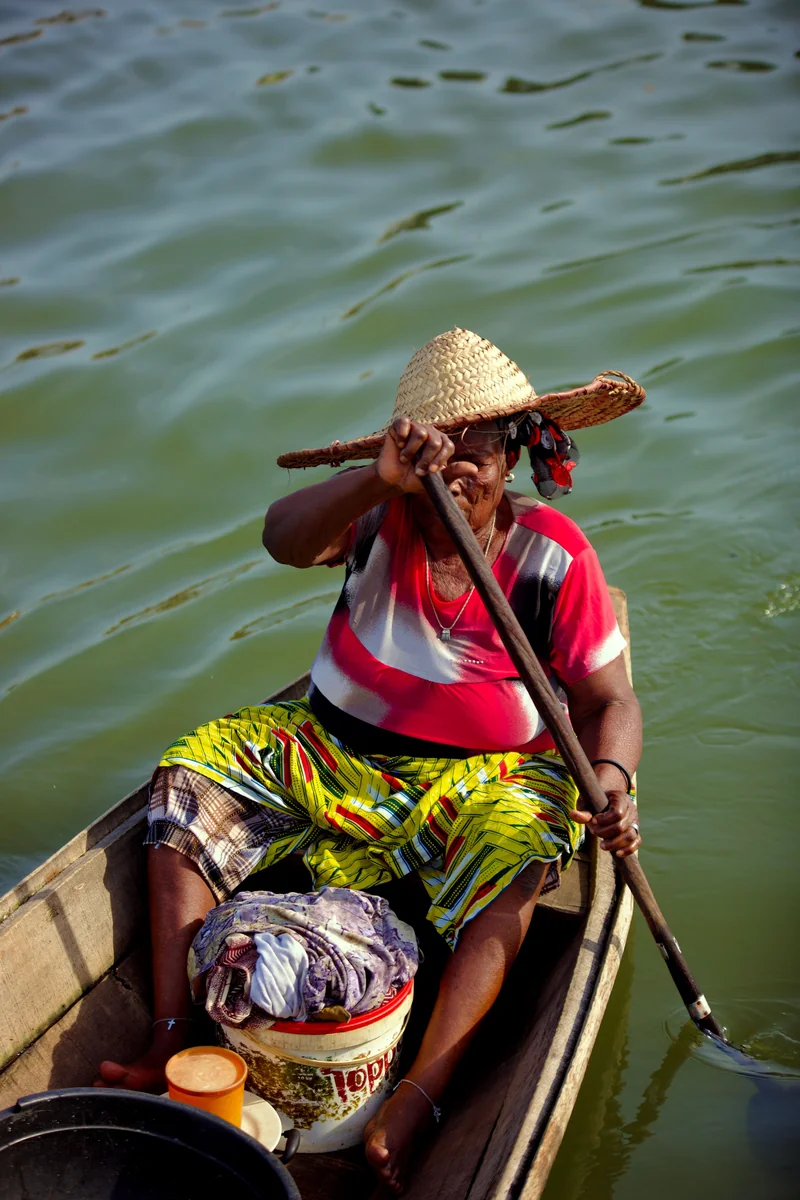 Ganvié sits in southern Benin, in a subequatorial zone with four distinct seasons rather than two. Most of the African continent this far south operates on a simple wet-dry cycle. Ganvié's position on Lake Nokoué adds a layer: the lake moderates temperatures, maintains a constant light breeze, and amplifies humidity in ways that make it behave differently from Cotonou, just 17 kilometers away.
Temperatures across the year stay warm — between 24°C and 33°C — with relatively little variation. What changes dramatically is humidity and rainfall. On the lake, relative humidity can reach 85-90% during the main rainy season, making 28°C feel considerably hotter than it reads.
The four seasons Ganvié actually experiences:
- Main dry season (November to March): little to no rain, low lake levels, clearer skies, Harmattan winds from December to February
- Main rainy season (April to June): heaviest rainfall, rising lake, high humidity
- Short dry season (July to September): lighter rains, partial break, lowest tourist numbers
- Secondary rainy season (October to early November): brief but unpredictable, transitional
Each has a different effect on what you'll see on the lake and how comfortable you'll be.
The Harmattan factor
December through February brings the Harmattan, a dry wind that originates in the Sahara and carries fine dust across West Africa. On Lake Nokoué, this produces a distinctive haze — not fog, but a milky softening of the light that photographers either love or hate. It also drops nighttime temperatures by a few degrees, making mornings on the lake notably pleasant compared to the rest of the year. If you're there in January, bring a light jacket for the boat ride at dawn.
November to March: when most visitors come
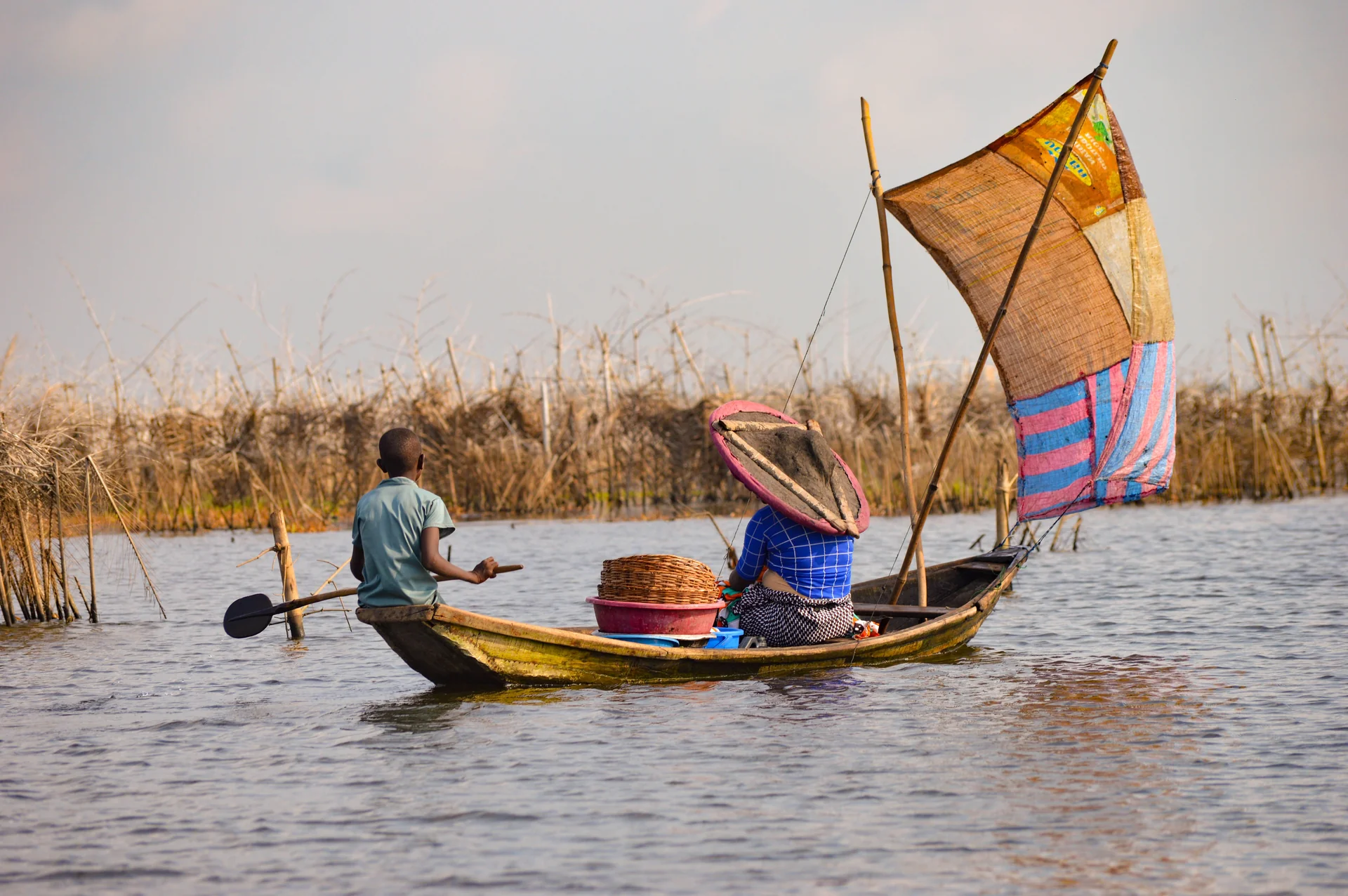 This is the ideal time for a first visit to Ganvié. Rainfall is rare, skies are mostly clear, and the lake level drops to its seasonal low. Lower water means the stilt foundations are more visible, navigation through the narrower canals is easier, and the floating market operates at its most concentrated.
November is the sweet spot of the sweet spot. The rains have just ended, the lake is still relatively full from the wet season, and tourist numbers haven't yet peaked. You get good water levels, green surroundings recovering from the rainy season, and prices that haven't climbed to their February highs.
December and January see the Harmattan arrive in force. The haze softens the light and makes early mornings feel almost cool on the water. This is peak season, and the embarcadère at Abomey-Calavi gets crowded on weekends. Weekday visits are noticeably quieter.
February is the busiest month of the year. European winter holidays overlap with Benin's coolest dry period. If you can, avoid the first two weeks of February. The floating market is spectacular, but so are the queues at the pirogue dock.
March marks the tail end of the dry season. Temperatures start climbing, humidity creeps back up, and the first clouds of the approaching rains appear on the horizon. By mid-March, the lake feels different — more alive, more expectant. Tourist numbers drop, and the experience becomes quieter and more relaxed.
What you gain during the main dry season:
- Optimal visibility for photography of the market and the stilt houses
- Easier motorized pirogue navigation through the narrower channels
- Spectacular sunsets, particularly during the Harmattan haze period
- All lodges and restaurants fully operational
- Bird life at its most concentrated around the remaining water sources
What you give up:
- The most competitive prices
- Solitude — especially on weekends and during holiday weeks
- The lush, green version of the landscape
April to June: the main rainy season
The lake rises. The canals widen. Some of the wooden walkways between stilt houses become impassable. Downpours are typically heavy but short, arriving most often in the late morning or late afternoon, which means early mornings on the lake are often clear and beautiful before the weather turns.
This is not a bad time to visit. It's a different time.
The floating market remains fully active throughout the rainy season — the market operates every day of the year because it's the only supply line for 30,000 people who can't go to a grocery store. What changes is the atmosphere around it. The lake is fuller, pirogues move faster through the wider channels, and the sky produces the kind of dramatic clouds that make for extraordinary wide-angle photography.
Practical realities to plan around:
- The road access from Cotonou to Abomey-Calavi can flood after heavy rains; check conditions before you travel
- Pack a waterproof jacket and a dry bag for your camera and electronics
- Some eco-lodges operate reduced service during the low season; confirm before booking
- The embarcadère at Abomey-Calavi has no shelter from rain — have your pirogue departure timed to avoid the typical afternoon storms
The rainy season's biggest advantage is financial. Guide rates and pirogue hire are typically 15 to 25% lower than peak season, and you'll find the guides themselves more available, more relaxed, and more willing to spend extra time answering questions. A half-day in the rainy season often feels longer, in the best possible way, than a rushed high-season tour.
July to September: Ganvié's best-kept secret
Most travelers don't know this period exists. The short dry season breaks the main rainy season's intensity without triggering the crowd surge of November to March. August and September in particular offer conditions that are, in several ways, better than any other time of year.
Tourist numbers are at their annual low. On a Tuesday in August, you might share the lake with one other pirogue. The guides are entirely yours. The pace is slower. The fishermen working the Acadja fish traps — the intricate system of submerged branches that has sustained Ganvié's fishing economy for centuries — are at full activity, and watching them work without a crowd of cameras around is a genuinely different experience.
The landscape in August is at its greenest. The surrounding marshland vegetation is lush, the water hyacinths are flowering, and the light has a quality that the Harmattan haze of the dry season doesn't produce.
What to know before booking July to September:
- Some smaller family lodges may close during the off-season; call ahead to confirm availability
- Afternoon showers are possible but less frequent than in the main rainy season
- Mosquito pressure is higher than the dry season — bring repellent and sleep under the nets provided
- This is the best period to negotiate on prices and itineraries; guides have more flexibility
For travelers who have already done one dry-season visit and want to see Ganvié differently, the short dry season is the obvious answer. For those on a tight budget who can be flexible with weather, it's also the most economical time to go.
October: the transitional month to approach carefully
October signals the secondary rainy season's arrival. Rainfall returns, unpredictably, and the short dry season's calm dissolves. October is the trickiest month to plan around: it can be almost dry, or it can dump rain for a week straight. For a first visit, it's the month I'd most recommend avoiding.
Experienced travelers or those combining Ganvié with other stops in Benin and Togo sometimes pass through in October with no problems. But if Ganvié is the central purpose of your trip, don't stake it on October's weather.
What to see by season: lake ecology and wildlife
The lake isn't static. Its ecology shifts with the seasons in ways that go far beyond the water level.
November to March is when migratory birds from Europe and northern Africa winter on Lake Nokoué. Waders, herons, egrets, and kingfishers are particularly visible from a slow-moving pirogue in the early morning. This is also when the Harmattan concentrates birds around the open water as surrounding wetlands dry out.
July to September is peak fishing season. The Acadja fish trap system — a network of carefully arranged submerged branches that attract and concentrate fish — operates at full capacity. Watching a fisherman tend his Acadja at dawn, sorting the catch with practiced hands, is the kind of scene that doesn't appear in any tourism brochure. It's just life on the lake.
April to June brings the largest lake surface of the year. Certain channels that are impassable or barely navigable in the dry season open up completely, and the pirogue can reach corners of the lake that are otherwise inaccessible.
What to pack by season
The basics don't change: sunscreen, insect repellent for dusk and dawn, small bills in FCFA for purchases at the market, and a hat. Beyond that, the season adjusts the packing list.
For the dry season (November to March):
- Sunglasses with UV protection — the glare off the lake surface at midday is intense
- A light layer for December and January mornings on the water
- Lip balm — the Harmattan air is very dry
For the rainy season (April to June):
- A lightweight waterproof jacket that packs small
- A dry bag for your camera, phone, and documents
- Waterproof sandals or shoes you don't mind getting wet at the embarcadère
- Quick-dry clothing rather than cotton
For the short dry season (July to September):
- The same kit as the rainy season, with lighter emphasis on rain gear
- Extra insect repellent — mosquito activity peaks in this period
Year-round, pack cash only. There are no ATMs in Ganvié and no card terminals on the lake. The nearest ATM is in Cotonou.
Prices and booking: what changes by season
November to March (peak): guides and pirogue operators price at their annual highest. A half-day private tour with a certified guide typically runs 15,000 to 25,000 FCFA per person, higher during holiday weeks. Book your transport and tour at least two weeks in advance during February.
April to June (low): prices drop 15 to 25%. Availability is rarely an issue. Check weather forecasts for your travel dates and build flexibility into your schedule if possible.
July to September (shoulder/off-peak): comparable to low season on price. The combination of lower prices, lower crowds, and better-than-expected weather makes this the best value window of the year for an informed traveler.
How to plan your visit around the season
A first trip during the main dry season is the right call for most people. Go in November or the first half of March to avoid the peak crowd weeks while keeping good conditions.
A return trip during August is for those who want to see the lake in a different register — quieter, greener, more intimate, with fishing activity at its peak.
Check our complete guide to visiting Ganvié for logistics and transport options from Cotonou to plan your journey, whatever month you choose.
Frequently asked questions
What is the single best month to visit Ganvié? November is the best compromise between good conditions and manageable crowds. The rains have ended, the landscape is still green from the wet season, and tourist numbers haven't yet reached their February peak.
Is it worth visiting Ganvié in the rainy season? Yes, if you go prepared. Pack rain gear, build weather flexibility into your day, and accept that some afternoon plans may shift. The floating market stays active, prices are lower, and the dramatic skies produce photography conditions you won't get in the dry season.
How hot does it get on the lake? Temperatures range from 24°C to 33°C throughout the year. The lake breeze reduces what you feel on the water, but humidity — especially from April to June — amplifies the perceived heat significantly. The coolest time on the lake is December to February during the Harmattan.
When is Ganvié least crowded? August and September see the lowest visitor numbers of the year. Combined with the short dry season's relatively stable weather, this is the quietest time to visit.
Are there seasonal events near Ganvié? The Fête du Vodoun on January 10th is a national holiday in Benin. Ceremonies take place across the south of the country, including in communities around Lake Nokoué. Combining a Ganvié visit with this date requires advance planning but adds significant cultural context to the trip.
Can you visit Ganvié year-round? Yes. The floating market operates every day of the year, lodges are open in all seasons (though some smaller ones close during the off-season), and pirogue transport runs regardless of weather. The only month to approach cautiously is October, when the secondary rainy season is at its most unpredictable.
The Secret Guide to Ganvié: Hidden Gems & Etiquette
Discover the authentic Ganvié far from the tourist crowds. Download our exclusive PDF to prepare a respectful and unforgettable visit.
We respect your inbox. No spam.
The Visit Ganvié Team
Written by native Tofinu guides. We have navigated Lake Nokoué since childhood to share the true history of our city, far from tourist traps.
Related articles
From Cotonou Airport (COO) to Ganvié Pier: Transfers, Taxis & Transport Guide
Landing at Cotonou International Airport (COO) and heading directly to the lake stilt village of Ganvié? Discover our comprehensive transport guide, drive times, and taxi fares.
supportGanvié: tourism and visit on Lake Nokoué
Ganvié is Africa's largest stilt village. Between pirogues, floating market, Acadja fishing, and life on stilts, it offers an unforgettable tourism experience on Lake Nokoué. Everything you need to know before your visit.